



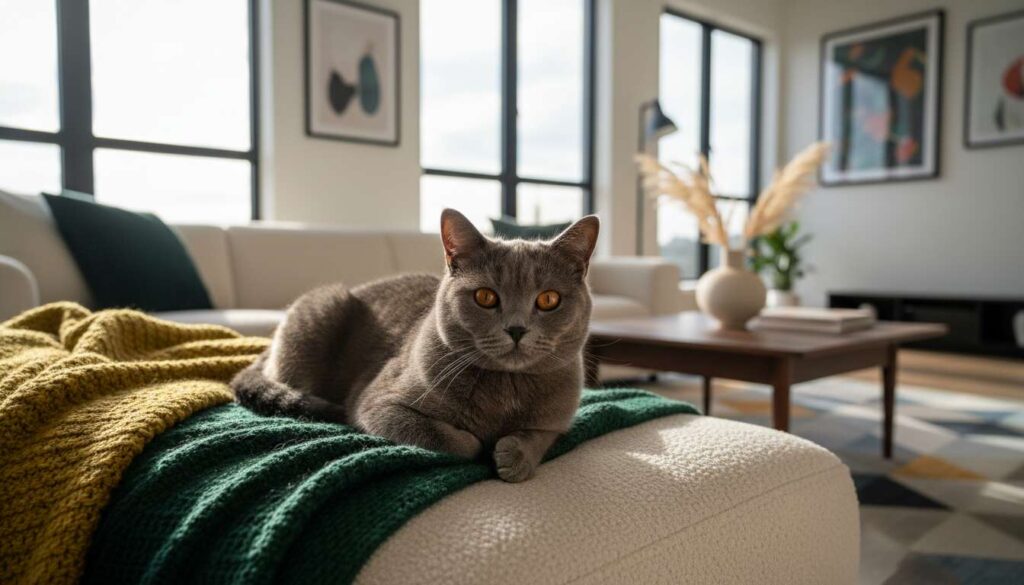
Domestic cats across the United Kingdom are experiencing a dramatic shift in their living arrangements, with recent data revealing that approximately one in three felines now resides exclusively within the confines of their owners’ homes. This represents a striking transformation from conditions observed just ten years prior, when the proportion stood at merely one in seven. The evolution reflects profound changes in societal attitudes towards pet ownership, urban living conditions, and concerns surrounding animal welfare and environmental conservation.
The rise in the number of indoor cats in the UK
Statistical evidence of the shift
The transformation in feline living arrangements has been both rapid and substantial. Research conducted across multiple years demonstrates that the percentage of cats confined to indoor environments has experienced exponential growth throughout the past decade. This upward trajectory shows no signs of abating, with projections suggesting continued increases in the coming years.
| Year | Percentage of Indoor-Only Cats |
|---|---|
| 2016 | 15% |
| 2021 | 23% |
| 2026 (estimated) | 30% |
Comparative international context
The United Kingdom’s experience mirrors broader global patterns observed in other developed nations. Countries including the United States, Canada, Australia, and New Zealand have witnessed similar transitions, with indoor cat populations expanding considerably. These international parallels suggest that the phenomenon stems from shared underlying factors affecting modern pet ownership across Western societies.
Understanding how this trend has materialised provides essential context for examining the motivations driving cat owners towards indoor-only arrangements.
The reasons behind this growing trend
Safety concerns in urban environments
The primary factor influencing owners’ decisions centres upon safety considerations. Urban and suburban landscapes present numerous hazards that pose significant risks to free-roaming cats. Traffic accidents constitute one of the most pressing dangers, with busy roads and increasing vehicle numbers creating perilous conditions for outdoor felines. Additionally, exposure to infectious diseases transmitted through contact with other animals represents a substantial health concern for owners.
Environmental and wildlife protection
Growing awareness regarding the ecological impact of domestic cats on local wildlife populations has influenced many owners’ choices. Cats are natural predators, and their hunting behaviours can have detrimental effects on bird and small mammal populations. Environmentally conscious owners increasingly recognise their responsibility to minimise their pets’ impact on native species by restricting outdoor access.
Demographic patterns among indoor cat owners
Research has identified specific demographic groups more likely to adopt indoor-only arrangements for their felines:
- Younger owners aged between 26 and 35 years demonstrate greater propensity towards indoor cat keeping
- Residents of city centres and densely populated urban areas favour indoor arrangements
- Households with multiple cats tend to restrict outdoor access more frequently
- First-time cat owners often adopt indoor-only policies from the outset
These demographic patterns reflect both practical considerations and generational shifts in attitudes towards pet care and environmental stewardship. The implications of these choices for feline welfare merit careful examination.
The impacts on cats’ wellbeing
Physical health considerations
Indoor living offers significant protective benefits for cats’ physical health. Confinement eliminates risks associated with traffic accidents, fights with other animals, and exposure to parasites and infectious diseases. Veterinary professionals note that indoor cats typically experience fewer injuries and illnesses requiring medical intervention, potentially leading to extended lifespans.
Mental stimulation and behavioural needs
However, the psychological aspects of indoor living present more complex considerations. Cats possess natural instincts for hunting, climbing, and territorial exploration that indoor environments may inadequately satisfy. Without appropriate enrichment, indoor cats can develop behavioural issues including:
- Excessive vocalisation and attention-seeking behaviours
- Destructive scratching of furniture and household items
- Aggression towards humans or other household pets
- Obesity resulting from reduced physical activity
- Anxiety and stress-related conditions
Creating enriched indoor environments
Responsible owners can mitigate these challenges by providing stimulating indoor spaces. Essential elements include vertical climbing structures, interactive toys, window perches for observing outdoor activity, and dedicated play sessions. Many indoor cats demonstrate complete contentment when their environments adequately address their physical and psychological needs.
The success of indoor arrangements varies considerably depending on geographical location and local conditions throughout the UK.
Regional differences within the UK
Urban versus rural dynamics
The prevalence of indoor-only cats demonstrates marked geographical variation across the United Kingdom. Metropolitan areas, particularly London and other major cities, exhibit substantially higher rates of indoor cat keeping compared to rural regions. This disparity reflects the practical realities of different living environments.
| Region Type | Indoor-Only Cat Percentage |
|---|---|
| Major city centres | 42% |
| Suburban areas | 28% |
| Rural locations | 12% |
Cultural and practical factors
Rural cat owners typically possess larger properties with gardens and surrounding countryside, making outdoor access both safer and more practical. Conversely, urban dwellers residing in flats or properties without private outdoor spaces find indoor arrangements more suitable and necessary. Cultural attitudes towards cat ownership also vary regionally, with traditional views favouring outdoor access remaining stronger in rural communities.
Whilst indoor living offers solutions to many concerns, it simultaneously introduces distinct challenges requiring careful management.
The challenges associated with cats living exclusively indoors
Escape attempts and outdoor curiosity
Many indoor cats display persistent interest in the outdoor environment, particularly those with previous outdoor experience. Owners report behaviours including door-dashing attempts, persistent vocalisation near exits, and intense focus on windows. Managing these escape tendencies requires vigilance and appropriate preventative measures such as secure screens and careful door management.
Space and resource requirements
Maintaining adequate living conditions for indoor cats demands considerable commitment from owners. Essential requirements include:
- Sufficient space for exercise and exploration
- Multiple litter trays positioned strategically throughout the home
- Scratching posts and climbing structures
- Regular interactive play sessions
- Environmental enrichment through rotating toys and activities
Multi-cat household complications
Households with multiple indoor cats face additional complexities. Territorial disputes and resource competition can intensify within confined spaces, potentially leading to stress and behavioural problems. Successful multi-cat indoor environments require careful planning, adequate resources, and sometimes professional behavioural guidance.
As these trends continue evolving, the future landscape of feline care in the UK remains subject to ongoing developments.
The future of domestic cats’ living arrangements in the UK
Projected trends and developments
Current trajectories suggest that the proportion of indoor-only cats will continue increasing throughout the coming decade. Urbanisation, environmental awareness, and evolving attitudes towards pet welfare collectively drive this progression. Experts anticipate that indoor cat keeping may eventually become the predominant arrangement in urban and suburban settings.
Innovations in indoor cat care
The pet care industry has responded to this shift by developing specialised products and services designed for indoor cats. Innovations include advanced climbing systems, puzzle feeders, automated toys, and even enclosed outdoor spaces known as “catios” that provide safe outdoor experiences. These developments reflect growing recognition of indoor cats’ specific requirements.
Veterinary and welfare guidance
Animal welfare organisations and veterinary professionals increasingly provide comprehensive guidance for indoor cat care. Recommendations emphasise the importance of environmental enrichment, regular health monitoring, and appropriate nutrition for less active indoor lifestyles. This professional support helps owners create optimal conditions for their indoor felines.
The transformation of feline living arrangements represents a significant evolution in the relationship between cats and their human companions. The doubling of indoor cat populations over ten years demonstrates substantial shifts in priorities, with safety, health, and environmental considerations taking precedence. Whilst indoor living presents challenges requiring dedicated management, appropriate care and enrichment enable cats to thrive within domestic environments. Regional variations reflect diverse living conditions across the UK, with urban areas leading this trend. As society continues adapting to changing circumstances, the indoor cat population will likely expand further, supported by advancing knowledge and resources dedicated to ensuring these animals’ physical and psychological wellbeing within the home environment.