



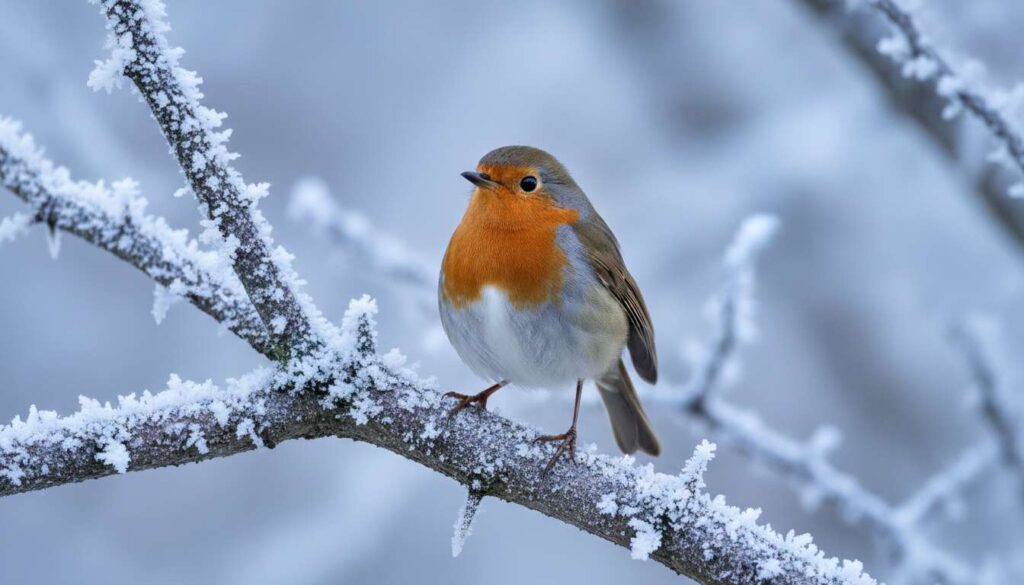
When the first frosts arrive and temperatures plummet, gardens that were once teeming with insect life become barren landscapes for many bird species. Robins, those charming red-breasted visitors that brighten our outdoor spaces throughout the year, face particular challenges during these harsh conditions. Their natural food sources dwindle dramatically, and the frozen ground makes foraging nearly impossible. Understanding how to support these beloved birds through the coldest months requires knowledge of their dietary needs and feeding behaviours. Ornithologists have identified specific ingredients that can make the difference between survival and struggle for robins during winter, and implementing these recommendations can transform any garden into a vital refuge.
Why it is crucial to help robins in winter
The vulnerability of robins during cold spells
Robins possess a high metabolic rate that requires them to consume substantial quantities of food daily to maintain their body temperature. During winter, this need intensifies as they burn energy rapidly to stay warm. A single night of severe frost can deplete a robin’s energy reserves to dangerous levels, making the following day’s foraging absolutely critical for survival. Without adequate nutrition, robins can quickly succumb to hypothermia or starvation, particularly during prolonged cold periods.
Diminishing natural food supplies
The arrival of frost fundamentally alters the availability of natural food sources that robins depend upon:
- Earthworms retreat deep underground where the soil remains unfrozen
- Insect populations disappear or enter dormancy
- Berries and fruits become scarce as winter progresses
- Frozen ground prevents access to soil-dwelling invertebrates
This dramatic reduction in food availability means that garden feeding stations can become essential lifelines for robins throughout the winter months. These circumstances create an urgent need for human intervention to support local bird populations.
The role of gardens as winter sanctuaries
Gardens represent crucial habitats for robins during winter, offering shelter, potential nesting sites, and supplementary food sources. By providing appropriate nutrition, gardeners can significantly increase survival rates amongst local robin populations. Research has demonstrated that well-fed birds maintain better body condition, exhibit stronger immune responses, and possess greater resilience against disease and harsh weather conditions.
Understanding these fundamental challenges facing robins sets the stage for examining how frost specifically impacts their feeding patterns and behaviours.
The consequences of frost on robins’ feeding habits
Physical barriers to natural foraging
Frost creates impenetrable barriers that prevent robins from accessing their preferred food sources. The frozen surface layer of soil becomes too hard for their beaks to penetrate, effectively locking away earthworms and other invertebrates. This forces robins to alter their foraging strategies dramatically, often leading them to search more extensively for alternative food sources in gardens and urban areas.
Increased energy expenditure
Cold weather forces robins to expend considerably more energy in several ways:
| Activity | Energy Impact |
|---|---|
| Maintaining body temperature | Up to 30% increase in caloric needs |
| Extended foraging time | Higher energy expenditure searching for scarce food |
| Competition with other birds | Additional stress and energy consumption |
Behavioural adaptations during frost
Robins demonstrate remarkable behavioural flexibility when facing frost conditions. They become more opportunistic feeders, visiting gardens more frequently and showing increased boldness around human habitation. Their territorial behaviour, typically strong during breeding season, may relax slightly as survival takes precedence. Robins also adjust their feeding schedules, beginning foraging earlier in the morning and continuing later into the evening to maximise food intake during available daylight hours.
These adaptations highlight the importance of providing suitable nutrition, which brings us to the specific ingredients that ornithologists recommend for optimal winter feeding.
The three ingredients recommended by ornithologists
Earthworms: protein-rich essential nutrition
Earthworms represent the gold standard for robin nutrition, providing high-quality protein essential for maintaining muscle mass and body condition during winter. Fresh or dried mealworms serve as excellent alternatives when earthworms are unavailable. These protein sources contain vital amino acids that robins require for energy production and immune function. Offering mealworms in shallow dishes allows robins easy access whilst preventing waste.
Fruits: vitamins and natural sugars
Fruits provide robins with crucial vitamins and quick-release energy through natural sugars:
- Berries: blackberries, elderberries, and rowan berries offer concentrated nutrition
- Apples: chopped or grated apples provide hydration alongside carbohydrates
- Raisins and currants: soaked dried fruits prevent choking hazards whilst delivering energy
- Pears: softened pear pieces offer gentle nutrition for cold-stressed birds
These fruit options should be offered fresh and replaced regularly to prevent spoilage, particularly important during milder spells when decomposition accelerates.
Oil-rich seed mixes: sustained energy provision
Seed mixes containing high oil content provide the sustained energy robins need to survive cold nights. Sunflower hearts, nyjer seeds, and crushed peanuts deliver concentrated calories that help robins build and maintain fat reserves. These seeds should be offered in appropriate feeders that protect them from moisture whilst allowing robins easy access. Ground feeding trays work particularly well for robins, which naturally prefer feeding at or near ground level.
Whilst knowing what to feed robins is essential, understanding how to provide this nutrition safely ensures maximum benefit for visiting birds.
Tips for safe feeding of robins
Establishing appropriate feeding stations
Creating safe feeding environments requires careful consideration of placement and design. Position feeding stations in locations that offer nearby cover, allowing robins to retreat quickly if predators appear. Ensure feeders are visible from windows to enable monitoring whilst maintaining sufficient distance to prevent window strikes. Ground-level feeding trays suit robins’ natural feeding behaviour, but elevating these slightly prevents contamination from ground moisture.
Maintaining hygiene standards
Hygiene represents a critical aspect of responsible bird feeding:
- Clean feeding stations weekly using hot water and wildlife-safe disinfectant
- Remove uneaten food daily to prevent bacterial growth
- Rotate feeding locations periodically to prevent ground contamination
- Provide fresh water daily, breaking ice during freezing conditions
Ensuring consistent food availability
Robins quickly learn to depend on reliable food sources, making consistency crucial. Establish regular feeding times, ideally early morning and late afternoon when robins are most active. Maintain food supplies throughout winter rather than intermittent feeding, as birds expend valuable energy visiting empty feeding stations. Stock adequate supplies before severe weather arrives, ensuring you can continue feeding even during heavy snowfall or prolonged frost.
However, even with the best intentions, certain common mistakes can undermine feeding efforts or potentially harm visiting robins.
Mistakes to avoid when feeding in winter
Inappropriate food choices
Several commonly offered foods pose significant risks to robins and should be strictly avoided. Bread provides minimal nutritional value whilst filling birds’ stomachs, preventing them from seeking nutritious alternatives. Salted foods can cause severe dehydration and kidney damage. Milk and dairy products cause digestive distress as birds lack the enzymes to process lactose. Desiccated coconut swells in birds’ stomachs, potentially causing fatal blockages.
Irregular feeding patterns
Inconsistent feeding creates several problems for robins:
| Issue | Consequence |
|---|---|
| Sporadic food availability | Wasted energy visiting empty feeders |
| Starting then stopping feeding | Birds become dependent then face sudden food shortage |
| Overfeeding during mild spells | Food spoilage and attraction of pests |
Neglecting water provision
Many well-meaning bird feeders focus exclusively on food whilst overlooking the critical importance of fresh water. Robins require water for drinking and bathing, the latter being essential for maintaining feather condition and insulation properties. During frost, natural water sources freeze, making garden water supplies vital. Shallow dishes with gently sloping sides allow safe access, and regularly breaking ice ensures continuous availability.
Beyond simply providing food and water, creating a comprehensive habitat significantly enhances the support offered to robins throughout winter.
Transforming your garden into a refuge for robins
Providing natural shelter and nesting opportunities
A robin-friendly garden incorporates diverse structural elements that offer protection from weather and predators. Dense shrubs and hedges provide roosting sites where robins shelter during cold nights. Evergreen plants offer year-round cover, whilst deciduous shrubs with retained dead leaves create additional insulation. Consider installing open-fronted nest boxes positioned in sheltered locations, as robins may use these for roosting even outside breeding season.
Creating year-round food sources
Strategic planting establishes natural food sources that complement supplementary feeding:
- Berry-producing shrubs such as cotoneaster, pyracantha, and holly
- Native trees including rowan, hawthorn, and crab apple
- Ivy providing late-season berries when other sources are exhausted
- Wildflower areas attracting insects during warmer months
Minimising hazards and disturbances
A safe garden environment requires attention to potential dangers. Mark large windows with decals or external screens to prevent collisions. Keep cats indoors during peak robin feeding times, particularly early morning and dusk. Avoid using pesticides and herbicides that eliminate insects and potentially poison birds. Maintain quiet zones around feeding areas, as excessive disturbance causes stress and discourages visits from naturally cautious robins.
Supporting robins through winter requires commitment to providing appropriate nutrition, maintaining safe feeding practices, and creating welcoming habitat. The three key ingredients of earthworms, fruits, and oil-rich seeds form the foundation of effective winter feeding, whilst attention to hygiene, consistency, and habitat quality ensures maximum benefit. By implementing these ornithologist-recommended strategies, gardeners can make meaningful contributions to robin survival during the most challenging months, enjoying the presence of these charismatic birds whilst knowing their efforts genuinely support local wildlife populations through harsh conditions.