



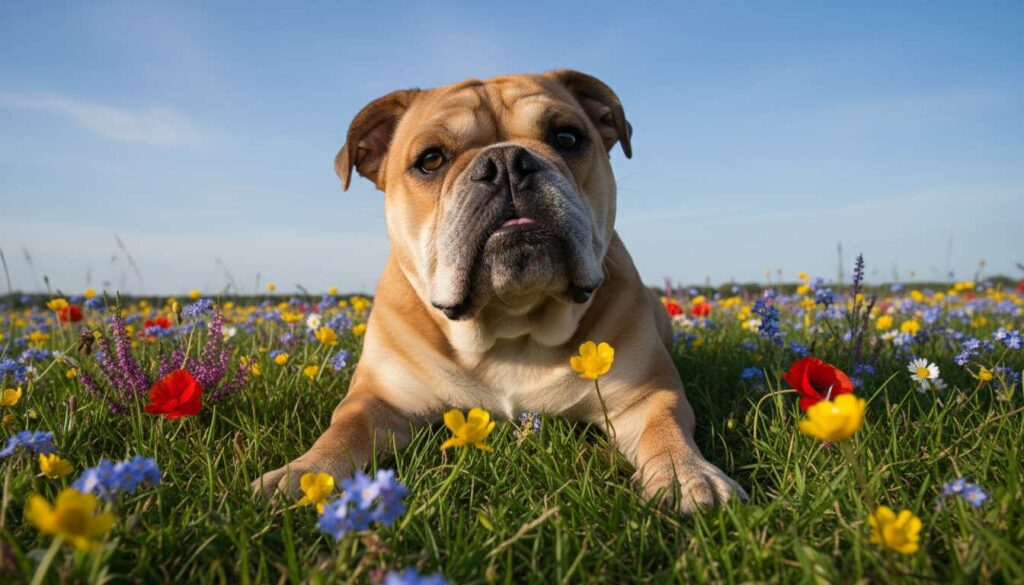
Bulldogs and other flat-faced breeds have become increasingly popular amongst dog owners, drawn to their distinctive appearance and affectionate personalities. Yet beneath their charming exterior lies a troubling reality: these brachycephalic dogs face significant health challenges that dramatically reduce their life expectancy compared to other breeds. Understanding why these beloved companions have shorter lifespans requires examining the complex interplay between their physical characteristics and overall wellbeing.
Flat-faced dogs and their health: a complex relationship
The anatomical challenges of brachycephalic breeds
Flat-faced dogs possess a shortened skull structure that fundamentally alters their respiratory system. This anatomical feature, whilst creating their distinctive appearance, compresses the airways and soft tissues within a reduced space. The consequences of this compression manifest in numerous ways:
- Narrowed nostrils that restrict airflow
- Elongated soft palates that obstruct breathing passages
- Compressed tracheas limiting oxygen intake
- Reduced capacity for temperature regulation through panting
Brachycephalic obstructive airway syndrome
The most prevalent condition affecting these breeds is brachycephalic obstructive airway syndrome, commonly known as BOAS. This syndrome represents a collection of respiratory abnormalities that severely impact quality of life. Dogs suffering from BOAS experience constant breathing difficulties, which intensify during exercise, in warm weather, or when experiencing stress. The syndrome creates a cascade of health problems that extend beyond simple breathing difficulties, affecting cardiovascular function and overall vitality.
Beyond respiratory issues
The health challenges facing flat-faced dogs extend considerably beyond their breathing problems. Their unique physiology predisposes them to various other conditions that collectively contribute to reduced longevity:
| Health condition | Impact on flat-faced breeds |
|---|---|
| Eye problems | Prominent eyes vulnerable to injury and ulceration |
| Dental issues | Crowded teeth leading to periodontal disease |
| Skin conditions | Facial folds prone to infection and irritation |
| Spinal disorders | Compressed vertebrae causing neurological problems |
These interconnected health concerns create a substantial burden on the overall wellbeing of brachycephalic breeds, making it essential to examine how different breeds fare in terms of longevity.
Lifespan of dogs based on breeds
Stark differences in life expectancy
Research conducted by the Royal Veterinary College has revealed profound disparities in life expectancy across different dog breeds. Analysis of over 30,000 deceased dogs demonstrated that the average lifespan for UK dogs stands at 11.2 years, yet this figure masks significant variation between breeds.
The shortest-lived breeds
French Bulldogs emerge as the breed with the shortest life expectancy, averaging merely 4.5 years. English Bulldogs fare slightly better at 7.4 years, whilst Pugs and American Bulldogs achieve approximately 7.7 and 7.8 years respectively. These figures stand in sharp contrast to the national average, highlighting the severe impact of brachycephalic features on longevity.
Longer-lived breeds for comparison
Breeds with more traditional facial structures demonstrate considerably longer lifespans. Jack Russell Terriers typically live to 12.7 years, whilst Border Collies reach 12.1 years on average. These breeds benefit from fewer anatomical complications and generally experience better overall health throughout their lives.
| Breed type | Average lifespan | Facial structure |
|---|---|---|
| French Bulldog | 4.5 years | Flat-faced |
| English Bulldog | 7.4 years | Flat-faced |
| Jack Russell Terrier | 12.7 years | Traditional |
| Border Collie | 12.1 years | Traditional |
Understanding these breed-specific differences provides crucial context for examining the particular factors that limit Bulldog longevity.
Factors influencing the longevity of bulldogs
Genetic predisposition and selective breeding
The selective breeding practices that created modern Bulldogs have inadvertently concentrated genetic health problems within the breed. Generations of breeding for increasingly flat faces have amplified the very characteristics that compromise health and shorten lifespan. This genetic bottleneck has reduced diversity within the breed, making it difficult to breed away from harmful traits.
Environmental and lifestyle factors
Beyond genetics, numerous environmental factors significantly impact Bulldog longevity:
- Exercise limitations due to breathing difficulties
- Sensitivity to temperature extremes
- Obesity resulting from reduced activity levels
- Stress from chronic discomfort
- Increased susceptibility to anaesthetic complications
Medical intervention requirements
Bulldogs frequently require surgical interventions to address their anatomical problems. Procedures to widen nostrils, shorten soft palates, or address other structural issues carry inherent risks and may need repeating throughout the dog’s life. The cumulative effect of these medical interventions, whilst sometimes improving quality of life, can also contribute to shortened lifespans through surgical complications and anaesthetic risks.
These multiple contributing factors combine to create a significantly elevated health risk profile for brachycephalic breeds.
Increased health risk in brachycephalic breeds
Quantifying the risk
Recent research has established that flat-faced dogs are 40% more likely to experience shortened lifespans compared to dogs with traditional facial structures. This statistic represents a substantial increase in mortality risk that prospective owners must consider carefully before acquiring these breeds.
Cardiovascular complications
The constant struggle to breathe places enormous strain on the cardiovascular system of flat-faced dogs. The heart must work considerably harder to compensate for reduced oxygen intake, leading to premature wear and increased risk of heart disease. This chronic stress on the cardiovascular system contributes significantly to early mortality in these breeds.
Heat intolerance and heatstroke risk
Dogs regulate body temperature primarily through panting, a mechanism severely compromised in brachycephalic breeds. Their inability to cool effectively makes them exceptionally vulnerable to heatstroke, even in moderately warm conditions. This vulnerability represents a life-threatening risk that requires constant vigilance from owners.
| Risk factor | Impact level | Prevention difficulty |
|---|---|---|
| Respiratory distress | Severe | High |
| Heatstroke | Life-threatening | Moderate |
| Cardiac complications | Severe | High |
| Surgical risks | Moderate to severe | Moderate |
Recognising these elevated risks enables owners and veterinarians to implement targeted measures that may improve outcomes for affected dogs.
Measures to improve the quality of life for bulldogs
Proactive veterinary care
Regular veterinary monitoring represents the cornerstone of responsible Bulldog ownership. Frequent health assessments allow early detection of developing problems and timely intervention. Owners should establish relationships with veterinarians experienced in brachycephalic breeds who understand the specific challenges these dogs face.
Weight management strategies
Maintaining an appropriate body weight significantly reduces strain on already compromised respiratory and cardiovascular systems. Obesity exacerbates breathing difficulties and increases the risk of numerous secondary health problems. Effective weight management requires:
- Carefully controlled portion sizes
- Low-calorie, nutrient-dense foods
- Regular weighing and body condition assessment
- Appropriate exercise within the dog’s limitations
Environmental modifications
Creating a suitable living environment helps minimise health risks for flat-faced dogs. Air-conditioned spaces during warm weather, avoiding strenuous exercise, and providing elevated feeding bowls all contribute to improved comfort and reduced health complications.
Surgical options
For dogs severely affected by BOAS, surgical correction may substantially improve quality of life. Procedures to enlarge airways, though not without risk, can dramatically reduce breathing difficulties and enhance overall wellbeing when performed by experienced surgeons.
Implementing these measures requires owners to develop a thorough understanding of their dog’s particular requirements.
Understanding the specific needs of your flat-faced dog
Recognising distress signals
Owners must learn to identify signs of respiratory distress and other health problems in their flat-faced dogs. Symptoms requiring immediate attention include excessive panting, blue-tinged gums, collapse, or extreme reluctance to move. Understanding normal versus concerning behaviours enables prompt intervention when problems arise.
Exercise requirements and limitations
Whilst all dogs benefit from physical activity, flat-faced breeds require carefully moderated exercise. Short, gentle walks during cooler parts of the day provide necessary stimulation without overwhelming compromised respiratory systems. Swimming, when properly supervised, offers excellent low-impact exercise for breeds capable of participating safely.
Nutritional considerations
The unique anatomy of flat-faced dogs affects their eating and drinking. Specially designed bowls accommodate shortened muzzles, whilst food consistency may need adjustment to prevent choking. Nutritional requirements should support optimal weight whilst providing adequate energy for daily activities.
Bulldogs and other flat-faced breeds present unique challenges that demand informed, committed ownership. Whilst these dogs offer tremendous companionship and affection, their significantly shortened lifespans and elevated health risks require serious consideration. The 40% increased mortality risk and dramatically reduced life expectancy compared to other breeds reflect fundamental anatomical problems that cannot be entirely mitigated through care alone. Prospective owners must carefully evaluate whether they possess the resources, knowledge, and dedication necessary to provide appropriate care throughout these dogs’ lives. For current owners, implementing proactive health management, maintaining appropriate weight, and understanding breed-specific needs offer the best opportunities to maximise both quality and length of life for these vulnerable companions.