



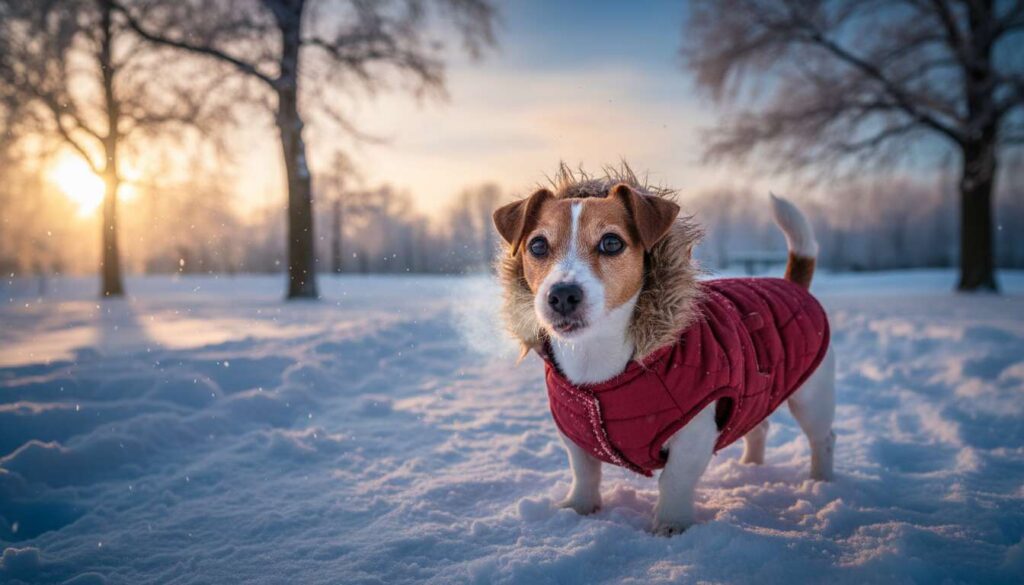
Winter brings unique challenges for dog owners, particularly when deciding whether conditions are suitable for outdoor exercise. Understanding temperature thresholds and recognising warning signs can make the difference between a pleasant outing and a dangerous situation for your canine companion. Cold weather affects dogs differently based on numerous factors, making it essential to assess each walk individually rather than relying solely on general guidelines.
When does the cold become dangerous for your dog ?
The point at which cold weather transitions from uncomfortable to genuinely hazardous depends on several interconnected factors. Hypothermia represents the primary concern, occurring when a dog’s body temperature drops below normal levels. This condition can develop rapidly in unsuitable conditions, particularly when dogs remain exposed to freezing temperatures for extended periods.
Critical temperature thresholds
Veterinary professionals have established temperature ranges that indicate varying levels of risk. Below 20°F (-6°C), most dogs face potential danger during prolonged exposure. At these temperatures, frostbite becomes a significant concern, particularly affecting extremities such as ears, paws, and tails. Between 20°F and 32°F (-6°C to 0°C), smaller breeds and those with short coats require additional protection, whilst hardier breeds may still manage reasonably well with appropriate precautions.
Health complications from cold exposure
Beyond hypothermia, cold weather presents several health risks that owners must consider:
- Frostbite: tissue damage occurring when extremities freeze, potentially leading to permanent injury
- Respiratory issues: cold air can aggravate existing breathing problems or trigger new ones
- Joint stiffness: particularly problematic for dogs with arthritis or other mobility conditions
- Paw pad injuries: cracking and bleeding from exposure to ice and chemical de-icers
These considerations become particularly important when planning outdoor activities during the coldest months.
Safe temperatures for walking your dog in winter
Establishing safe temperature parameters requires understanding how different conditions affect canine comfort and wellbeing. General guidelines provide a starting point, though individual circumstances always warrant careful evaluation.
Temperature safety chart
| Temperature Range | Risk Level | Recommended Action |
|---|---|---|
| Above 45°F (7°C) | Safe | Normal walks for all breeds |
| 32°F to 45°F (0°C to 7°C) | Potentially unsafe for small/thin-coated dogs | Monitor closely, consider protective clothing |
| 20°F to 32°F (-6°C to 0°C) | Unsafe for most dogs without protection | Shorten walks, use coats and boots |
| Below 20°F (-6°C) | Dangerous for all dogs | Limit outdoor time to essential toilet breaks only |
Adjusting for individual factors
These temperature ranges serve as baseline recommendations rather than absolute rules. Wind chill significantly affects how cold feels to your dog, making a moderately cold day feel much harsher. Wet conditions compound the problem, as moisture reduces a coat’s insulating properties. Additionally, the duration of exposure matters considerably; a brief five-minute toilet break carries far less risk than a thirty-minute walk at the same temperature.
Understanding these parameters helps owners make informed decisions, though physical protection often becomes necessary in borderline conditions.
How to protect your dog from the cold
Appropriate protective measures can extend the safe temperature range for walking your dog whilst maintaining their comfort and health. Layered protection addresses different vulnerability points, creating a comprehensive defence against harsh conditions.
Protective clothing options
Dog coats and jackets provide essential insulation for breeds lacking natural cold resistance. Quality winter coats should cover the back, chest, and belly whilst allowing freedom of movement. Waterproof outer layers prove particularly valuable in wet conditions, preventing moisture from compromising insulation. For extremely cold weather, consider fleece-lined options that trap warm air close to the body.
Paw protection strategies
Paws require special attention as they make direct contact with frozen surfaces and harmful chemicals. Dog boots offer comprehensive protection, though they require gradual introduction for dogs unaccustomed to wearing them. Alternatively, paw balms create a protective barrier against ice, snow, and de-icing salts. Apply these products before walks and wipe paws thoroughly afterwards to remove any accumulated chemicals.
Additional protective measures
- Increase caloric intake during winter months to support temperature regulation
- Ensure access to fresh, unfrozen water at all times
- Create warm, draught-free sleeping areas indoors
- Dry your dog thoroughly after exposure to wet conditions
- Trim excess fur between paw pads to prevent ice accumulation
These protective strategies work best when combined with careful monitoring during winter walks.
Walking your dog on snow and ice
Snow and ice present unique challenges beyond simple temperature concerns. Surface conditions affect both safety and comfort, requiring specific adaptations to normal walking routines.
Navigating icy surfaces
Ice poses slip hazards for both dogs and owners. Choose routes with better traction when possible, avoiding steep inclines covered in ice. Salted pavements offer improved grip but expose paws to potentially irritating chemicals. If your usual route becomes treacherous, consider shorter walks in safer areas rather than risking injury.
Snow-specific considerations
Deep snow can exhaust smaller dogs quickly, as they expend considerable energy navigating through it. Monitor your dog’s breathing and energy levels, shortening walks if they appear to struggle. Snow also conceals hazards such as sharp objects or holes, making familiar routes potentially dangerous. Packed snow between paw pads forms painful ice balls; check and clear these regularly during walks.
Recognising when your dog experiences discomfort helps prevent minor issues from escalating into serious problems.
Signs your dog is cold
Learning to identify cold-related distress enables prompt intervention before conditions become dangerous. Behavioural changes often provide the earliest warnings that your dog feels uncomfortable.
Observable warning signs
Dogs communicate discomfort through various physical and behavioural indicators:
- Shivering or trembling: the most obvious sign of cold stress
- Reluctance to continue walking: stopping frequently or attempting to turn back
- Lifting paws off the ground: indicating painful cold in the paw pads
- Hunched posture: tucking the tail and lowering the body to conserve heat
- Whining or barking: vocal expressions of distress
- Seeking shelter: attempting to hide under cars or in doorways
Serious warning signs requiring immediate action
Severe hypothermia symptoms demand urgent veterinary attention. These include lethargy, weakness, shallow breathing, dilated pupils, and decreased heart rate. If your dog displays these signs, warm them gradually with blankets whilst seeking immediate professional help. Never use direct heat sources such as hair dryers, as rapid warming can cause additional complications.
Different breeds experience cold weather with varying degrees of tolerance, making breed-specific knowledge valuable.
Cold risks for different dog breeds
Genetic heritage profoundly influences cold tolerance, with certain breeds thriving in conditions that prove dangerous for others. Breed characteristics including coat type, body size, and ancestral climate adaptation all contribute to cold weather resilience.
Cold-sensitive breeds
Small breeds with minimal body fat and thin coats face the greatest cold weather risks. Toy breeds such as Chihuahuas, Yorkshire Terriers, and Italian Greyhounds require protection even in moderately cool conditions. Short-coated breeds including Greyhounds, Whippets, and Boxers also struggle with cold despite larger body sizes. These dogs benefit from protective clothing whenever temperatures drop below 45°F (7°C).
Cold-tolerant breeds
Breeds developed in cold climates possess natural adaptations for winter conditions. Siberian Huskies, Alaskan Malamutes, and Samoyeds feature thick double coats providing excellent insulation. Other cold-hardy breeds include Saint Bernards, Bernese Mountain Dogs, and Newfoundlands. However, even these resilient breeds require monitoring in extreme conditions, particularly when temperatures fall below 0°F (-18°C).
Special considerations for vulnerable dogs
| Category | Risk Factors | Recommended Precautions |
|---|---|---|
| Puppies | Underdeveloped temperature regulation | Limit outdoor exposure below 32°F (0°C) |
| Senior dogs | Reduced circulation, arthritis | Shorter walks, protective clothing |
| Ill or recovering dogs | Compromised immune systems | Minimal outdoor time in cold weather |
Winter dog walking requires balancing exercise needs with safety concerns. Temperature guidelines provide helpful frameworks, though individual assessment remains crucial. Pay attention to your dog’s signals, provide appropriate protection, and prioritise their wellbeing over rigid exercise schedules. By understanding breed-specific vulnerabilities, recognising distress signals, and implementing protective measures, you can ensure your dog remains safe and comfortable throughout the coldest months. When conditions seem questionable, err on the side of caution; indoor activities and mental stimulation can temporarily substitute for outdoor exercise until temperatures improve.