



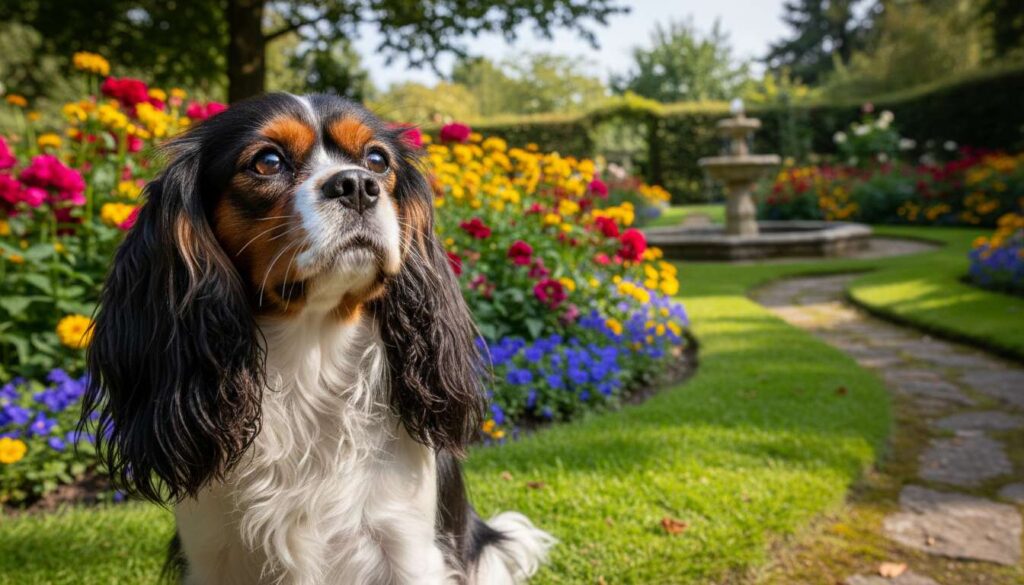
Spaniels have long captured the hearts of dog enthusiasts with their gentle temperaments and remarkable hunting abilities. While breeds such as the Cocker Spaniel and English Springer Spaniel enjoy widespread recognition, numerous lesser-known varieties possess equally fascinating histories and distinctive characteristics. These rare spaniel breeds deserve attention for their unique contributions to canine heritage and their potential as devoted companions. From water-loving specialists to gentle woodland hunters, each offers something special to those willing to discover them.
Irish Water Spaniel
Ancient Origins and Distinctive Appearance
The Irish Water Spaniel stands as one of the oldest and most distinctive spaniel varieties, with roots tracing back to 13th-century Ireland. This breed’s appearance sets it apart immediately, featuring a dense, tightly curled coat that provides exceptional protection in cold water. The characteristic topknot of curls atop the head contrasts sharply with the smooth face, whilst the unique rat-like tail remains virtually hairless, a trait found in no other spaniel breed.
Working Heritage and Temperament
Traditionally employed for retrieving waterfowl in challenging aquatic environments, these spaniels demonstrate remarkable intelligence and problem-solving abilities. Their physical attributes make them superbly adapted for water work:
- Webbed feet for powerful swimming
- Water-resistant double coat
- Strong, muscular build for endurance
- Keen retrieving instinct
The breed exhibits a bold yet gentle temperament, displaying loyalty to family members whilst maintaining a natural wariness around strangers. This combination of traits makes them excellent watchdogs without aggressive tendencies. Their intelligence demands consistent mental stimulation, making them ideal for owners who enjoy training challenges.
Beyond their aquatic prowess, these remarkable dogs share common ground with other rare spaniel varieties that have carved out specialised niches in hunting traditions.
Clumber Spaniels
Aristocratic Background and Physical Characteristics
The Clumber Spaniel represents the heaviest of all spaniel breeds, with a substantial, low-slung body that belies surprising agility in the field. Developed in England, these dogs were favoured by nobility for their methodical hunting style and dignified bearing. Their predominantly white coat, marked with lemon or orange patches, creates an elegant appearance that commanded attention in aristocratic estates.
Hunting Style and Modern Role
| Characteristic | Description |
|---|---|
| Weight | 25-39 kg |
| Pace | Steady and deliberate |
| Stamina | Exceptional endurance |
| Temperament | Calm and affectionate |
Unlike faster-working spaniels, Clumbers employ a slow, thorough approach to hunting, making them particularly effective in dense cover where speed proves less advantageous. Their powerful nose and determination ensure few birds escape detection. Modern enthusiasts value them equally as devoted family companions, appreciating their gentle nature with children and relaxed household demeanour.
Whilst the Clumber’s deliberate pace suits certain hunting conditions, other rare spaniels developed different approaches suited to their native landscapes.
Welsh Springer
Welsh Heritage and Recognition
The Welsh Springer Spaniel boasts centuries of history within Wales, though formal breed standards emerged only in the 20th century. Distinguished by their striking red and white coats, these medium-sized spaniels possess boundless energy and enthusiasm for work. Their compact, symmetrical build enables agility across varied terrain, from dense woodland to open moorland.
Personality and Family Suitability
Welsh Springers exhibit a friendly, devoted temperament that makes them excellent family companions for active households. Their characteristics include:
- Strong desire to please their owners
- Natural affinity with children
- High energy requiring regular exercise
- Loyal and sometimes reserved with strangers
- Excellent trainability and intelligence
These dogs thrive when given purpose, whether through hunting activities, agility training, or long countryside walks. Their moderate size makes them more manageable than larger sporting breeds whilst retaining full working capability. The breed’s relatively small gene pool means careful breeding programmes remain essential for maintaining health and temperament standards.
The Welsh Springer’s energetic nature contrasts markedly with another English breed known for its more measured approach to life and work.
Sussex Spaniel
Historical Development in Sussex
Developed during the 18th century in Sussex, England, this breed represents one of the oldest recognised spaniel varieties. The Sussex Spaniel’s rich golden liver coat creates an immediately recognisable appearance, complemented by a massive head and soulful expression. These dogs were specifically bred to work the heavy clay soils and dense hedgerows characteristic of their home county.
Unique Vocalisation and Working Style
The Sussex Spaniel possesses an unusual trait amongst spaniels: a tendency to give tongue whilst working, meaning they vocalise when on scent. This characteristic, considered a fault in most other breeds, was deliberately preserved in Sussex Spaniels to help hunters locate their dogs in thick cover. Their low, long body enables them to push through vegetation that would challenge taller breeds.
| Trait | Sussex Spaniel |
|---|---|
| Build | Low and long |
| Coat colour | Rich golden liver |
| Working style | Methodical and vocal |
| Temperament | Gentle and cheerful |
Their gentle, cheerful disposition makes them wonderful household companions, though their exercise needs should not be underestimated. The breed remains rare, with dedicated enthusiasts working to preserve these distinctive spaniels for future generations.
Whilst the Sussex developed in English countryside, another rare spaniel emerged from very different circumstances across the Atlantic.
Boykin Spaniel
American Development and Purpose
The Boykin Spaniel represents a relatively recent addition to spaniel breeds, developed during the early 1900s in South Carolina. This breed emerged from practical necessity: hunters needed a versatile dog capable of retrieving waterfowl from swamps and rivers whilst being compact enough to fit in small boats. The resulting breed combines retrieving prowess with a manageable size and rich brown, wavy coat.
Versatility and Modern Popularity
Boykin Spaniels demonstrate remarkable adaptability, excelling in various roles:
- Waterfowl retrieval in challenging aquatic environments
- Upland game hunting across diverse terrain
- Family companionship with gentle, eager temperament
- Therapy and assistance dog work
Their medium size and trainable nature make them increasingly popular beyond their Southern origins, though they remain relatively uncommon compared to mainstream breeds. The Boykin’s enthusiasm for water rivals that of the Irish Water Spaniel, whilst their affectionate personality ensures strong bonds with family members. These dogs require regular exercise and mental stimulation to prevent boredom, thriving in active households that can channel their natural energy productively.
These five rare spaniel breeds demonstrate the remarkable diversity within the spaniel family. Each variety developed unique characteristics suited to specific hunting conditions and regional requirements, from the Irish Water Spaniel’s aquatic specialisation to the Sussex Spaniel’s methodical woodland work. Their relative obscurity belies their exceptional qualities as both working dogs and devoted companions. For those seeking a distinctive canine partner with rich heritage and proven abilities, these lesser-known spaniels offer rewarding alternatives to more common breeds. Their preservation depends upon dedicated enthusiasts who recognise their value and work to maintain these remarkable bloodlines for future generations to appreciate and enjoy.