



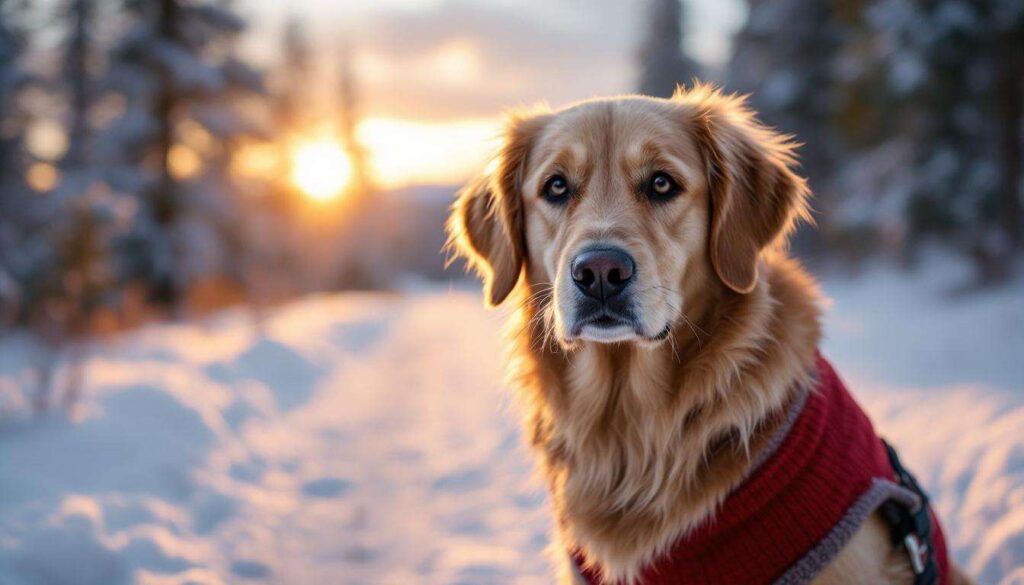
Winter walks can be a delightful experience for both dogs and their owners, but the cold weather brings challenges that require careful attention. Dogs, despite their fur coats, are susceptible to the effects of low temperatures, and recognising when your pet is struggling with the cold is essential for their health and safety. Understanding the warning signs that indicate your dog is getting too cold during a walk can help prevent serious conditions such as hypothermia and frostbite. By staying alert to changes in behaviour, physical appearance, and overall demeanour, you can ensure your canine companion remains comfortable and protected throughout the winter months.
Behavioural signs in your dog
Shivering and trembling
One of the most obvious indicators that your dog is feeling the cold is persistent shivering or trembling. This involuntary response is the body’s natural mechanism for generating warmth when temperatures drop. Whilst occasional shivers might be normal, continuous shaking throughout the walk signals that your dog’s body is struggling to maintain its core temperature. Small breeds and dogs with thin coats are particularly prone to this response, as they have less natural insulation to protect them from harsh weather conditions.
Whining and vocalisation
Dogs communicate discomfort through various vocalisations, and increased whining or whimpering during cold weather walks can indicate distress. If your normally quiet dog begins to whine persistently or makes unusual sounds, they may be trying to alert you to their discomfort. This behaviour often accompanies other signs of cold stress and should not be ignored, particularly if it represents a change from their usual walking behaviour.
Seeking warmth and shelter
When dogs feel uncomfortably cold, their instincts drive them to seek warmth and protection. You might notice your dog attempting to:
- Press against your legs or body for warmth
- Try to return home or move towards buildings
- Seek sheltered spots during the walk
- Huddle or curl up when you stop moving
These behaviours demonstrate that your dog is actively trying to escape the cold and should prompt you to consider cutting the walk short. Beyond these immediate behavioural changes, you may also observe physical alterations that indicate your pet is struggling with low temperatures.
Physical changes to watch for
Paw pad discomfort
A dog’s paws are particularly vulnerable to cold weather, as they make direct contact with frozen ground, ice, and snow. Watch for signs such as limping, favouring certain paws, or frequently lifting paws off the ground. Your dog may stop to lick or bite at their paws, which can indicate pain from ice accumulation between the pads or exposure to salt and de-icing chemicals. Discoloured paw pads, appearing pale or grey rather than their normal pink or black colour, can signal reduced blood flow due to extreme cold.
Body posture changes
Cold-stressed dogs often exhibit distinctive changes in their physical posture and movement. A hunched or tucked position, with the tail held low or between the legs, indicates discomfort and an attempt to conserve body heat. Stiffness in movement, particularly affecting the legs and joints, becomes more pronounced as temperatures drop. Older dogs and those with arthritis may show increased difficulty in walking, as cold weather exacerbates joint pain and reduces flexibility.
Visible signs of hypothermia
In more severe cases, dogs may display physical symptoms that require immediate attention:
| Symptom | Severity Level | Action Required |
|---|---|---|
| Pale or blue gums | High | Seek veterinary care immediately |
| Lethargy or weakness | Moderate to High | Warm dog gradually, contact vet |
| Shallow breathing | High | Emergency veterinary attention |
| Dilated pupils | High | Immediate medical intervention |
These physical manifestations often work in tandem with behavioural changes, particularly when a dog becomes unwilling to continue walking.
Reluctance to continue the walk
Slowing down or stopping
A normally energetic dog that begins to slow down significantly or stops walking altogether is sending a clear message about their discomfort. This reluctance may start gradually, with your dog taking more frequent breaks, or it can manifest suddenly as they plant themselves firmly and refuse to move forward. Dragging behind on the lead or constantly pulling towards home are strong indicators that your dog has had enough of the cold conditions.
Loss of interest in surroundings
Dogs typically show enthusiasm during walks, investigating scents and showing interest in their environment. When the cold becomes overwhelming, this natural curiosity diminishes. A dog that normally sniffs every lamppost but now walks with their head down, showing no interest in their surroundings, is likely focusing all their energy on coping with the temperature rather than enjoying the walk.
Attempting to turn back
Perhaps the most straightforward sign of cold-related discomfort is when your dog actively tries to return home. This behaviour demonstrates that your pet has reached their tolerance limit and is prioritising warmth and safety over exercise. Understanding how temperature affects dogs helps explain why these reactions occur at different thresholds for different animals.
Temperatures and duration of winter walks
Temperature guidelines by breed and size
Different dogs have varying tolerances to cold weather based on several factors. Breed characteristics play a significant role, with northern breeds such as Huskies and Malamutes naturally equipped for cold conditions, whilst breeds like Greyhounds and Chihuahuas struggle in low temperatures. Size matters considerably, as smaller dogs lose body heat more rapidly than larger ones due to their higher surface-area-to-volume ratio.
| Dog Type | Safe Temperature Range | Caution Temperature | Dangerous Temperature |
|---|---|---|---|
| Small/thin-coated breeds | Above 7°C | 4°C to 7°C | Below 4°C |
| Medium breeds | Above 0°C | -3°C to 0°C | Below -3°C |
| Large/thick-coated breeds | Above -6°C | -9°C to -6°C | Below -9°C |
Adjusting walk duration
As temperatures drop, the duration of walks should decrease accordingly. Rather than maintaining your usual 45-minute walk in freezing conditions, consider multiple shorter outings of 10 to 15 minutes throughout the day. This approach allows your dog to fulfil their exercise and toileting needs whilst minimising exposure to dangerous cold. Wind chill significantly affects how cold the temperature actually feels, so factor this into your calculations when planning outdoor activities.
Individual factors affecting tolerance
Beyond breed and size, several individual characteristics influence cold tolerance:
- Age: puppies and senior dogs regulate body temperature less efficiently
- Health status: dogs with medical conditions may be more vulnerable
- Body condition: underweight dogs lack insulating body fat
- Coat condition: a well-maintained coat provides better protection
- Acclimatisation: dogs adjusted to cold climates tolerate it better
Recognising when cold exposure transitions from uncomfortable to dangerous requires understanding the progression of cold-related symptoms.
Recognising cold symptoms in dogs
Early warning signs
The initial stages of cold stress present with subtle indicators that can escalate if ignored. Mild shivering, slightly slowed movement, and minor behavioural changes represent the early warning system that your dog is beginning to struggle with the temperature. At this stage, intervention is straightforward: simply head home or move to a warmer location, and your dog should recover quickly without lasting effects.
Progressive symptoms
As cold exposure continues, symptoms intensify and become more concerning. Persistent shivering that doesn’t stop, significant stiffness in movement, and obvious reluctance to continue walking indicate that your dog’s body is working hard to maintain core temperature. Confusion or disorientation may begin to appear, along with increased drowsiness or lethargy. These signs suggest that hypothermia may be developing and require prompt action to warm your dog safely.
Emergency symptoms requiring immediate veterinary attention
Severe hypothermia presents with life-threatening symptoms that demand urgent medical intervention. Watch for:
- Muscle stiffness progressing to rigidity
- Extremely shallow or slow breathing
- Weak or barely detectable pulse
- Loss of consciousness or extreme lethargy
- Fixed and dilated pupils
If your dog displays any of these symptoms, contact your veterinarian immediately whilst beginning gentle warming measures. Prevention remains far more effective than treatment when it comes to cold-related injuries.
How to protect your dog from the cold
Appropriate clothing and gear
Dog coats and sweaters provide essential protection for vulnerable breeds during winter walks. Choose waterproof, insulated options that cover the chest and belly whilst allowing freedom of movement. Paw protection through boots or paw wax prevents ice accumulation and protects against salt and chemicals used for de-icing. Not all dogs tolerate boots initially, so introduce them gradually before winter arrives to allow acclimatisation.
Pre-walk preparation
Proper preparation enhances safety and comfort during cold weather walks. Ensure your dog is dry before heading outside, as dampness accelerates heat loss. Consider applying protective paw balm before the walk to create a barrier against ice and salt. Plan your route to include sheltered areas and avoid prolonged exposure to wind. Keep walks during the warmest part of the day when possible, typically mid-afternoon.
Post-walk care
After returning from a cold walk, immediate care helps prevent complications:
- Dry your dog thoroughly, paying special attention to paws and belly
- Check paws for ice, cuts, or chemical burns
- Remove any accumulated snow or ice from the coat
- Provide fresh water and a warm, comfortable resting place
- Monitor for delayed symptoms of cold exposure
Alternative exercise options
When outdoor conditions become too harsh, indoor activities can maintain your dog’s physical and mental stimulation. Interactive games, puzzle toys, and indoor training sessions provide enrichment without cold exposure. Some facilities offer indoor dog exercise areas that allow safe activity regardless of weather conditions.
Protecting your dog from cold weather requires vigilance, preparation, and a willingness to adjust routines based on conditions and individual needs. By recognising the warning signs of cold stress, understanding temperature thresholds, and implementing appropriate protective measures, you can ensure your dog remains safe and comfortable throughout winter. The key lies in observing your individual dog’s responses to cold weather and responding promptly when they indicate discomfort. Remember that your dog relies on you to make decisions about their safety, and erring on the side of caution with shorter walks and adequate protection will help maintain their health and wellbeing during the coldest months.