


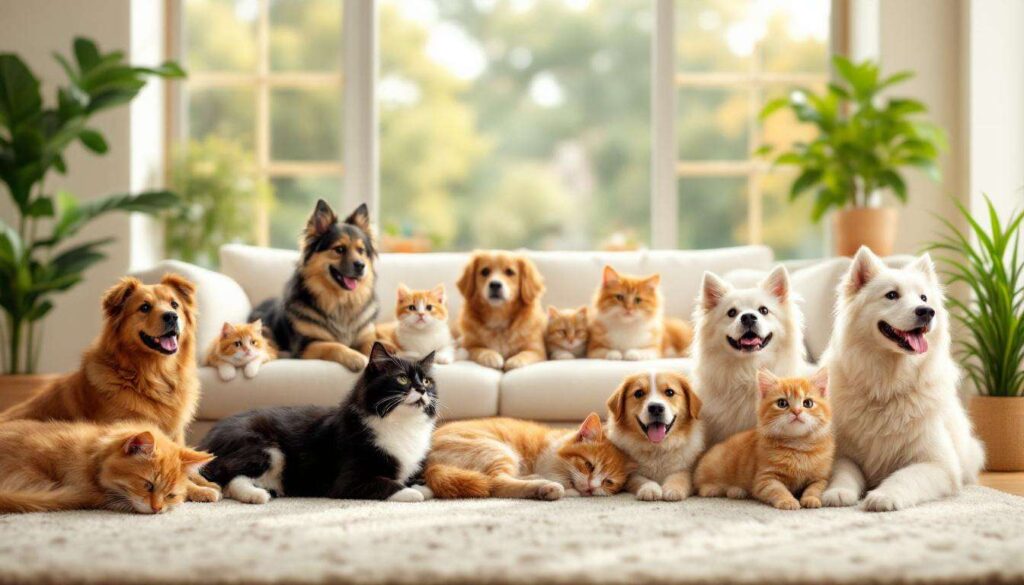
Bringing together cats and dogs under one roof can be a rewarding experience for pet owners who appreciate the unique qualities of both species. While the age-old notion of cats and dogs being natural enemies persists, numerous feline breeds possess temperaments and characteristics that enable them to form harmonious relationships with their canine housemates. Understanding which breeds are predisposed to canine compatibility can help prospective pet owners make informed decisions when expanding their furry family.
The Maine Coon: a gentle giant friend of dogs
Physical characteristics and temperament
The Maine Coon stands out as one of the largest domesticated cat breeds, with males often weighing between 13 to 18 pounds and some individuals exceeding 20 pounds. Their substantial size and sturdy build enable them to hold their own during boisterous play sessions with energetic dogs. These cats possess a remarkably sociable nature that defies typical feline aloofness, displaying loyalty and affection comparable to many dog breeds.
Dog-like behaviours
Maine Coons exhibit several canine-like traits that facilitate their integration into dog-friendly households:
- They often follow their owners from room to room, demonstrating pack-like loyalty
- Many individuals can be trained to fetch toys and respond to commands
- They enjoy interactive play and physical activity rather than sedentary lifestyles
- Their vocalizations include chirps and trills that communicate friendliness
Their adaptable personality and confidence around larger animals make them excellent candidates for homes where dogs already reside. These gentle giants rarely display aggression and typically approach new situations with curiosity rather than fear, establishing themselves as natural companions for patient and well-socialized dogs.
The Ragdoll: the living cuddly toy with canine affinities
Distinctive relaxed nature
Ragdolls earned their name from their tendency to go completely limp when picked up, demonstrating an extraordinary level of trust and relaxation. This docile temperament extends to their interactions with dogs, as they rarely exhibit defensive behaviours or aggression. Their calm demeanour makes them particularly suitable for households with gentle, well-trained canines who respect feline boundaries.
Social requirements and compatibility
These cats thrive on companionship and actively seek interaction with both humans and other pets. Their affectionate personality means they rarely hide away from household activity, instead choosing to participate in family life alongside canine companions. Ragdolls typically weigh between 10 to 20 pounds, with males being substantially larger than females.
| Characteristic | Ragdoll Trait |
|---|---|
| Temperament | Exceptionally calm and gentle |
| Energy Level | Moderate to low |
| Sociability | High with all family members |
| Adaptability | Excellent in multi-pet homes |
Their stunning blue eyes and semi-long coat require regular grooming, which can become a bonding activity that helps maintain household harmony. The breed’s patient nature allows dogs to approach and investigate without triggering flight responses.
The Abyssinian: agility and companionship with dogs
Energetic personality traits
Abyssinians bring a dynamic energy to multi-pet households that matches the enthusiasm of many dog breeds. These cats possess athletic builds and enjoy climbing, jumping, and exploring their environment with tireless curiosity. Their playful nature encourages interactive games that dogs often find engaging, creating opportunities for positive inter-species bonding.
Intelligence and social engagement
This breed demonstrates remarkable intelligence and problem-solving abilities, quickly learning household routines and understanding the behaviours of their canine companions. Abyssinians rarely shy away from dogs, instead approaching them with confidence and interest. Their distinctive ticked coat pattern, where each hair displays multiple bands of colour, gives them an elegant appearance that complements their graceful movements.
These cats require substantial mental stimulation and physical activity, making them ideal companions for active dogs who enjoy play sessions. Their sociable disposition means they actively seek companionship rather than solitude, reducing potential conflicts that might arise from territorial behaviour.
The Birman: perfect companion cat for a dog-friendly home
Gentle temperament and appearance
Birmans possess a serene and affectionate nature that makes them exceptionally well-suited to homes with dogs. Their striking appearance features colour-pointed markings similar to Siamese cats, combined with distinctive white “gloves” on all four paws. This breed typically maintains a calm demeanour even in bustling households, rarely becoming stressed by the presence of energetic canines.
Adaptability in multi-pet environments
The Birman’s patient personality allows for gradual introductions with dogs of various sizes and temperaments. These cats demonstrate:
- Tolerance for gentle handling by both children and pets
- Moderate energy levels that suit households with calm to moderately active dogs
- Affectionate behaviour towards all family members, including canine companions
- Low aggression levels and peaceful conflict resolution
Their medium-length coat requires regular maintenance but lacks an undercoat, making grooming sessions manageable. Birmans typically form strong bonds with their families and view dogs as part of their social group rather than threats.
The British Shorthair: calm and canine friendliness
Steady temperament
British Shorthairs embody a composed and easygoing personality that translates well to multi-pet households. Their substantial build and dense coat give them a teddy bear-like appearance, whilst their temperament remains unflappable in the face of typical household activity. These cats rarely display nervous behaviours and approach life with a measured, dignified attitude.
Independence balanced with sociability
Whilst British Shorthairs enjoy companionship, they also value their independence, making them suitable for homes where dogs may be exuberant at times. They establish clear boundaries without aggression, teaching dogs to respect their space through calm assertiveness rather than defensive reactions. Their patient nature makes them particularly compatible with well-mannered dogs who understand feline body language.
The Siberian: a rugged breed that gets along well with dogs
Robust constitution and playful spirit
Siberian cats possess a powerful build and athletic prowess that enables them to engage confidently with dogs of various sizes. Originating from the forests of Russia, these cats developed hardy constitutions and fearless personalities that serve them well in dynamic households. Their thick, water-resistant coat protects them during rough play, whilst their agile movements allow them to escape overwhelming situations when necessary.
Social intelligence
Siberians demonstrate exceptional emotional intelligence, quickly assessing the temperaments of canine housemates and adjusting their behaviour accordingly. They enjoy interactive play and often initiate games with willing dogs, fostering positive relationships through shared activities. Their loyalty to family members extends to properly introduced dogs, whom they often regard as teammates rather than competitors.
Creating a harmonious household with both cats and dogs requires careful consideration of individual personalities, proper introductions, and ongoing supervision. These six breeds offer temperamental advantages that increase the likelihood of successful inter-species relationships, though each animal remains unique in its preferences and behaviours. Selecting a breed known for canine compatibility provides a solid foundation for building a peaceful multi-pet home where both cats and dogs can thrive together.