



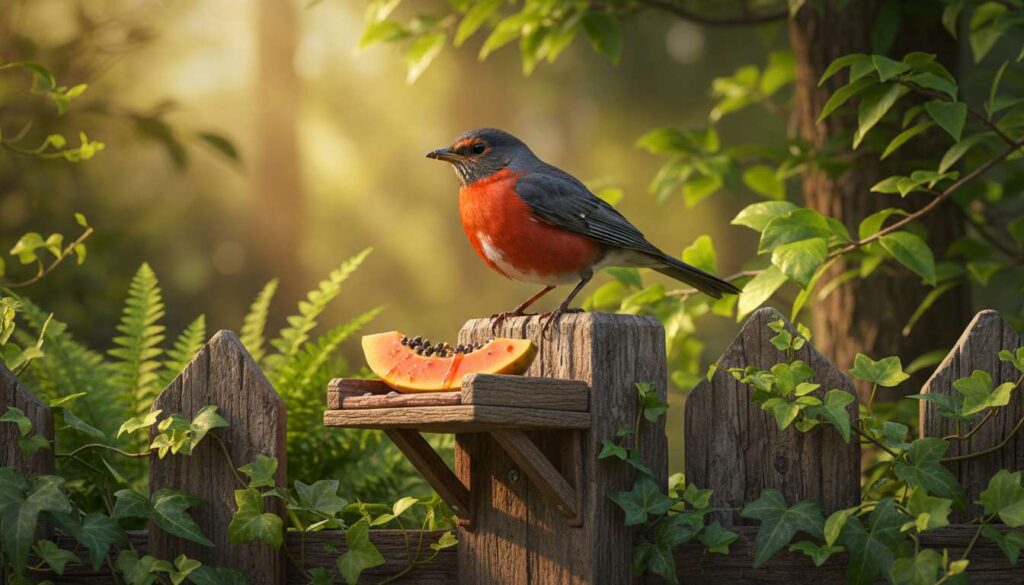
Robins are among the most beloved garden visitors, with their distinctive red breast and cheerful presence bringing life to even the coldest months. Many gardeners seek ways to encourage these charming birds to become regular guests, and the solution may be simpler than expected. A single fruit variety has proven remarkably effective at transforming gardens into robin havens, offering both nutritional value and irresistible appeal to these feathered friends.
Attracting robins: the winter wonder fruit
The power of grapes in robin attraction
Grapes have emerged as the star performer when it comes to attracting robins to gardens during the winter season. This dried fruit provides exactly what robins need when natural food sources become increasingly scarce. Wildlife experts consistently recommend grapes as a primary attractant for these birds, particularly during the colder months when energy demands are highest.
The effectiveness of grapes lies in their nutritional composition. They offer:
- High sugar content providing quick energy
- Natural moisture that aids hydration
- Easy digestibility for small birds
- Year-round availability for gardeners
Timing your grape offerings
Starting in November, adding grapes to feeders significantly increases the likelihood of regular robin visits. This timing coincides with the period when natural food sources begin to diminish, making supplementary feeding particularly valuable. Robins often associate with the festive atmosphere of Christmas, and their presence can bring considerable joy during darker months.
Understanding these seasonal patterns helps gardeners create a consistent food supply that keeps robins returning throughout winter, establishing a reliable feeding routine that benefits both birds and observers.
Why grapes are effective in attracting robins ?
Nutritional benefits for winter survival
Grapes provide robins with a vital energy boost during cold periods when maintaining body temperature becomes challenging. The concentrated sugars in dried grapes offer rapid fuel that helps these small birds survive harsh winter conditions. This energy source becomes particularly crucial during freezing temperatures and when snow covers traditional foraging grounds.
| Nutrient | Benefit for robins |
|---|---|
| Natural sugars | Immediate energy supply |
| Carbohydrates | Sustained warmth generation |
| Moisture content | Hydration support |
Palatability and accessibility
Robins find grapes highly palatable, which explains their enthusiastic response to this food source. The soft texture makes them easy to consume, whilst the sweet taste appeals to their natural preferences. Unlike some bird foods that require specific feeding techniques, grapes can be offered in various ways, making them accessible to both experienced and novice bird feeders.
This combination of nutritional value and practical advantages makes grapes an ideal choice for anyone seeking to establish a robin-friendly garden environment.
The importance of feeding birds in winter
Supporting wildlife through harsh conditions
Winter feeding plays a critical role in supporting bird populations when natural resources become limited. Frozen ground prevents access to invertebrates, whilst snow coverage obscures seeds and berries. Supplementary feeding can mean the difference between survival and starvation for many garden birds, including robins.
The ecological benefits extend beyond individual bird welfare:
- Maintains healthy local bird populations
- Supports breeding success in following seasons
- Encourages biodiversity in garden ecosystems
- Provides educational opportunities for observing wildlife
Complementary food sources
Whilst grapes are highly effective, mealworms represent another excellent option for attracting robins. Rich in proteins and fats, mealworms mimic the natural diet of these birds, encouraging regular visits. Wildlife specialists consistently recommend this food source, which is readily available commercially. Smaller packages offer an economical starting point for those new to bird feeding, eliminating the need for large initial investments.
Combining different food types creates a more attractive and nutritionally complete feeding station that addresses various dietary requirements throughout winter.
Tips and tricks for feeding robins in your garden
Ground-level feeding strategies
Robins naturally prefer ground feeding, which influences how food should be presented. Establishing a shallow tray to scatter grapes and mealworms accommodates this behavioural preference. This approach increases the likelihood of successful feeding and encourages robins to feel comfortable in your garden space.
Practical feeding recommendations include:
- Placing food in sheltered locations away from predators
- Offering small quantities regularly rather than large amounts infrequently
- Maintaining clean feeding areas to prevent disease
- Providing fresh water alongside food sources
Creating an inviting environment
Beyond feeders, the overall garden environment influences robin visitation. Dense shrubs provide essential cover where birds can retreat when threatened. Open lawn areas offer foraging opportunities, whilst strategically placed perches allow robins to survey their surroundings before approaching food sources.
These environmental considerations work synergistically with food provision to create a genuinely welcoming habitat that encourages prolonged visits and regular returns.
Living with robins ‘hooked’ on fruit in your garden
Establishing feeding routines
Once robins become regular visitors, they often develop predictable patterns, arriving at similar times daily. This reliability creates opportunities for close observation and photography, whilst also establishing a responsibility for consistent food provision. Robins can become dependent on supplementary feeding during harsh weather, making reliable food supply particularly important.
Managing these relationships requires:
- Consistent feeding schedules throughout winter
- Gradual reduction of food as spring approaches
- Awareness of territorial behaviours between individual birds
- Respect for natural feeding patterns and independence
Observing robin behaviour
Regular robin visitors provide fascinating insights into avian behaviour. Their territorial nature means individual birds often claim specific feeding areas, displaying characteristic postures and calls to defend their patches. Understanding these behaviours enriches the feeding experience and helps gardeners appreciate the complex social structures of these seemingly simple creatures.
Benefits of having regular robins in your outdoor space
Pest control advantages
Robins provide valuable pest control services throughout the year. Their diet naturally includes numerous garden pests such as slugs, snails, and various insect larvae. By encouraging robins to frequent your garden, you gain natural allies in maintaining healthy plants without resorting to chemical interventions.
Aesthetic and wellbeing contributions
The presence of robins offers significant wellbeing benefits for gardeners and households. Their cheerful song and distinctive appearance provide daily moments of natural beauty, whilst their fearless nature often allows close encounters that create memorable experiences. Studies consistently demonstrate that wildlife observation reduces stress and improves mental health, making robin-friendly gardens valuable for human occupants as well as avian visitors.
These multiple advantages transform a simple feeding initiative into a mutually beneficial relationship that enhances both garden ecology and human experience throughout the winter months and beyond.
Offering grapes to robins represents a straightforward yet remarkably effective method for attracting these beloved birds to gardens during winter. Combined with complementary foods like mealworms and appropriate feeding strategies that respect natural ground-feeding preferences, this approach creates an irresistible environment for regular robin visits. The benefits extend far beyond simple bird watching, encompassing pest control, ecological support, and significant wellbeing advantages for those who maintain these feeding stations. By understanding robin behaviour and nutritional needs, gardeners can establish lasting relationships with these charming visitors whilst contributing meaningfully to local wildlife conservation during the challenging winter period.