


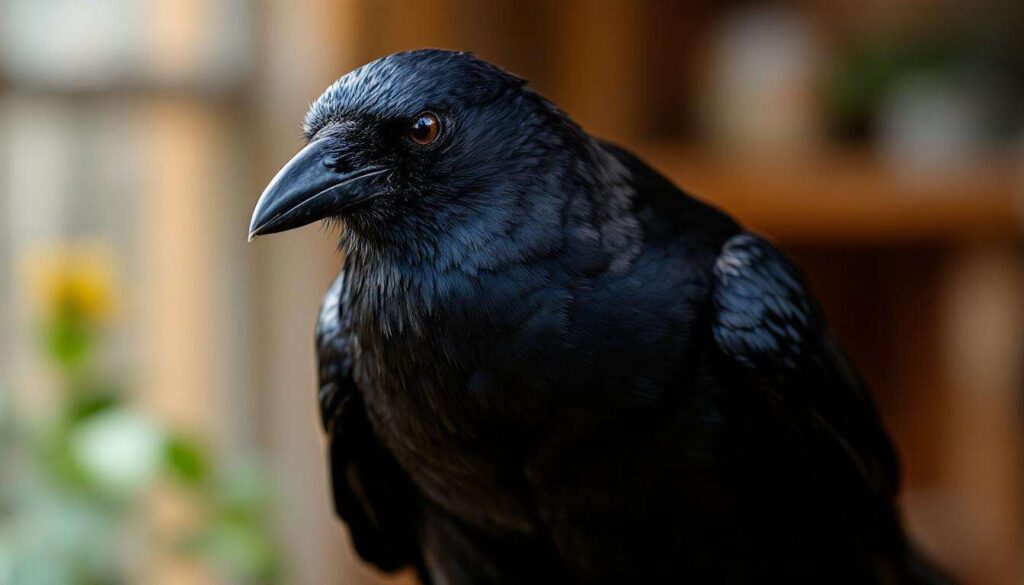
The allure of keeping a crow as a pet has captivated many individuals drawn to these highly intelligent birds. Their remarkable problem-solving abilities, complex social behaviours, and striking appearance make them fascinating creatures. However, the question of whether one can legally keep a crow as a companion animal is far more complicated than simply acquiring the bird. Understanding the legal framework surrounding crow ownership requires careful examination of wildlife protection laws, ethical considerations, and the practical realities of caring for such a demanding species.
Legality of Owning a Pet Crow
Legal Status in the United Kingdom
In the United Kingdom, keeping a crow as a pet falls under strict wildlife protection legislation. The Wildlife and Countryside Act 1981 provides comprehensive protection for wild birds, including all corvid species such as carrion crows, hooded crows, and rooks. Under this legislation, it is illegal to take, possess, or control any wild bird without appropriate licensing from relevant authorities.
Exceptions exist only under specific circumstances:
- Licensed wildlife rehabilitators caring for injured birds
- Approved research facilities conducting scientific studies
- Individuals granted special permits for educational purposes
- Cases where a bird is permanently disabled and cannot be released
International Perspectives on Crow Ownership
The legal landscape varies considerably across different jurisdictions. In the United States, the Migratory Bird Treaty Act prohibits possession of native crow species without federal permits. Australia maintains similarly restrictive policies under state-based wildlife protection acts. Many European nations follow comparable frameworks that prioritise wildlife conservation over private ownership.
| Country/Region | Legal Status | Permit Required |
|---|---|---|
| United Kingdom | Prohibited | Yes (exceptional circumstances) |
| United States | Prohibited | Yes (federal permit) |
| Canada | Prohibited | Yes (provincial licence) |
| Australia | Prohibited | Yes (state-dependent) |
These regulations reflect a broader understanding that crows thrive best in their natural habitats rather than in domestic settings. The complexities of wildlife law extend beyond simple ownership questions to encompass broader protections for native species.
Specific Laws on Wildlife
Protected Species Legislation
Wildlife protection laws exist to safeguard biodiversity and maintain ecological balance. Crows, despite sometimes being perceived as pests, play crucial roles in their ecosystems. The legislation recognises that removing individuals from wild populations can have cascading effects on local environments.
Key provisions typically include:
- Prohibition on capturing wild birds from their natural habitats
- Restrictions on possessing eggs, nests, or juvenile birds
- Penalties for unauthorised keeping of protected species
- Requirements for reporting injured or orphaned wildlife
Penalties and Enforcement
Violations of wildlife protection laws carry significant consequences. In the UK, individuals found guilty of illegally possessing protected birds face unlimited fines and potential imprisonment of up to six months. Enforcement agencies including Natural England, the RSPB, and local police wildlife crime officers actively investigate suspected breaches.
Beyond legal penalties, ethical questions arise about whether humans should keep such intelligent, social creatures in captivity, even when legally permissible under exceptional circumstances.
Crow as a Pet: ethical Considerations
Intelligence and Social Complexity
Crows possess cognitive abilities comparable to great apes and dolphins. They demonstrate self-awareness, use tools, plan for future events, and maintain complex social relationships within their communities. This remarkable intelligence makes them particularly unsuitable for captivity, as they require extensive mental stimulation that domestic environments rarely provide.
Welfare Concerns
Keeping a crow in captivity raises profound welfare issues:
- Social deprivation from natural family groups and communities
- Inability to express natural behaviours such as foraging and flying long distances
- Psychological stress from confinement in limited spaces
- Lack of appropriate environmental enrichment
Even well-intentioned individuals struggle to replicate the complex social and environmental conditions crows require for optimal wellbeing. The ethical implications of confining such sophisticated creatures extend beyond legal compliance to fundamental questions about animal welfare.
Understanding these welfare concerns naturally leads to considering what practical requirements would be necessary if one were legally permitted to care for a crow.
Needs and Care for Pet Crows
Spatial Requirements
Crows require extensive space to thrive. A suitable enclosure would need to measure at minimum several hundred square feet, with height sufficient for flight. Standard domestic housing cannot accommodate these requirements, necessitating purpose-built aviaries with appropriate perching, enrichment features, and protection from weather.
Dietary and Health Needs
Crows are omnivorous with complex dietary requirements including:
- High-quality protein sources (insects, eggs, small vertebrates)
- Fresh fruits and vegetables
- Whole grains and seeds
- Calcium supplementation
Veterinary care presents additional challenges, as few practitioners possess expertise in corvid medicine. Specialised avian veterinarians with corvid experience are exceptionally rare, making routine and emergency care difficult to obtain.
Time and Commitment
Crows can live 15-20 years in captivity, representing a substantial long-term commitment. Daily care requires several hours for feeding, enrichment, socialisation, and enclosure maintenance. Their intelligence demands constant mental stimulation through puzzle feeders, novel objects, and interactive activities.
Given these demanding requirements, many individuals seek alternative ways to appreciate these remarkable birds without attempting ownership.
Alternatives to Crow Ownership
Wildlife Observation and Photography
Observing crows in their natural habitats provides rewarding experiences without legal or ethical complications. Urban parks, woodlands, and agricultural areas offer excellent opportunities to study crow behaviour. Wildlife photography allows individuals to document and appreciate these birds whilst respecting their wild status.
Supporting Conservation Efforts
Contributing to organisations dedicated to corvid research and conservation offers meaningful engagement:
- Volunteering with wildlife rehabilitation centres
- Participating in citizen science projects monitoring crow populations
- Supporting habitat conservation initiatives
- Educating others about corvid intelligence and ecological importance
Educational Programmes
Many wildlife centres and educational institutions maintain legally-held crows for public education. Visiting these facilities provides close encounters with crows whilst supporting legitimate conservation and education missions.
These alternatives not only respect legal boundaries but also contribute positively to broader conservation goals affecting crow populations.
Environmental Impact and Conservation
Ecological Roles of Crows
Crows perform vital ecosystem functions including seed dispersal, carrion removal, and pest control. Their intelligence allows them to adapt to changing environments, making them important indicators of ecosystem health. Removing individuals from wild populations disrupts these ecological relationships.
Conservation Status
Whilst many crow species maintain stable populations, habitat loss and environmental changes pose ongoing threats. Conservation efforts focus on preserving suitable habitats, reducing human-wildlife conflicts, and maintaining genetic diversity within wild populations. Private ownership undermines these conservation objectives by removing individuals from breeding populations.
The fascination with keeping crows as pets ultimately conflicts with both legal frameworks and conservation principles. These remarkable birds deserve appreciation in their natural contexts, where they contribute to ecological balance and demonstrate their extraordinary cognitive abilities. Respecting wildlife protection laws whilst finding alternative ways to engage with crows represents the most responsible approach for both individual welfare and species conservation.