



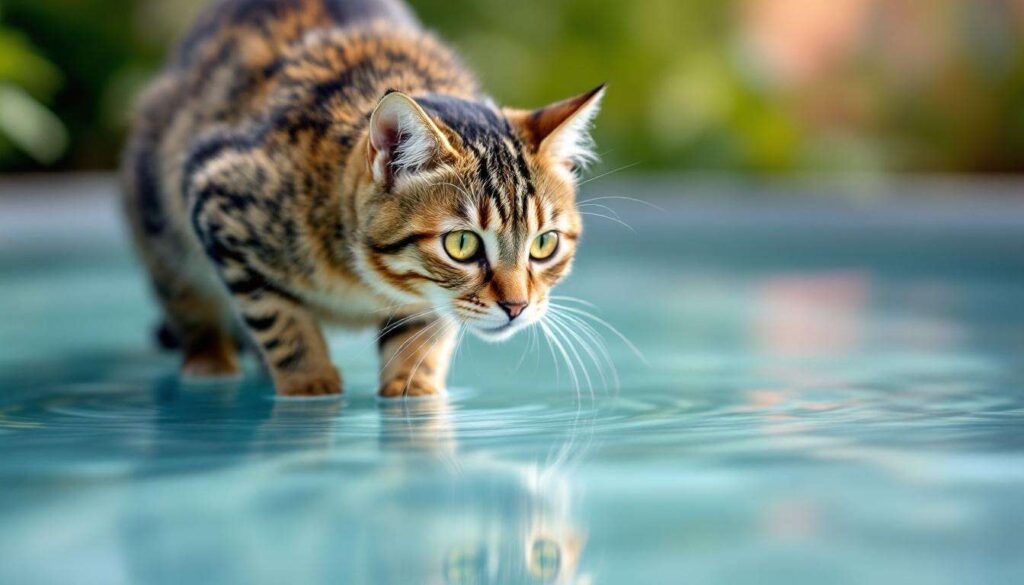
Many feline owners believe their cats would never tolerate contact with water, yet veterinary professionals increasingly recommend aquatic therapy for various health conditions. This therapeutic approach offers remarkable benefits for cats suffering from arthritis, obesity, post-surgical recovery needs, and mobility issues. Whilst the stereotype of water-averse cats persists, evidence demonstrates that with proper introduction and patience, felines can learn to accept and even enjoy controlled water environments designed for their wellbeing.
Understanding cats’ fear of water
Evolutionary and biological factors
The widespread aversion to water amongst domestic cats stems from evolutionary origins rather than instinctive fear. Most cat species evolved in arid regions of the Middle East where water exposure was minimal. Their ancestors, Felis silvestris lybica, developed in dry climates with limited need for swimming or water interaction. This historical context explains why modern cats often display discomfort when wet.
The feline coat structure contributes significantly to their water reluctance. Unlike dogs with water-resistant undercoats, cats possess fur that absorbs moisture readily, becoming heavy and uncomfortable when saturated. This saturation affects their body temperature regulation, making wet cats feel vulnerable and cold.
Psychological components of water anxiety
Cats are creatures of habit who thrive on predictability and control. Water represents an unpredictable element that challenges their natural agility and sure-footedness. The sensation of losing traction on wet surfaces triggers anxiety, as cats rely heavily on their ability to escape potential threats quickly.
- Loss of familiar scent when wet, disrupting their scent-based identity
- Reduced sensory awareness due to water in ears or on whiskers
- Feeling of vulnerability during the drying process
- Negative associations from previous forced bathing experiences
Understanding these deeply rooted concerns helps owners approach water introduction with appropriate sensitivity and realistic expectations. However, these natural hesitations need not prevent cats from accessing beneficial aquatic treatments when properly managed.
The benefits of hydrotherapy for felines
Physical health improvements
Aquatic therapy provides low-impact exercise that reduces stress on joints whilst building muscle strength. The buoyancy of water supports approximately 60% of a cat’s body weight, allowing movement without the pain associated with weight-bearing activities. This makes hydrotherapy particularly valuable for cats with osteoarthritis, hip dysplasia, or degenerative joint conditions.
| Condition | Hydrotherapy benefit | Typical duration |
|---|---|---|
| Post-surgical recovery | Accelerated healing, reduced swelling | 4-8 weeks |
| Obesity management | Calorie burning without joint stress | Ongoing programme |
| Arthritis | Pain relief, improved mobility | Long-term maintenance |
| Neurological conditions | Enhanced coordination, muscle retention | Variable, condition-dependent |
Cardiovascular and metabolic advantages
Water resistance requires greater effort than land-based movement, providing cardiovascular conditioning without excessive strain. This increased energy expenditure aids weight management in obese cats whilst building endurance. The hydrostatic pressure of water also improves circulation, reducing oedema and promoting tissue healing.
For senior cats, hydrotherapy maintains muscle mass that naturally deteriorates with age. Regular sessions help preserve functional independence, allowing elderly felines to continue jumping, climbing, and performing daily activities with greater ease. These physical benefits naturally lead to questions about how to introduce cats to this therapeutic modality safely.
Techniques to accustom a cat to water
Gradual desensitisation approach
Successful water introduction requires patience and incremental exposure. Begin by placing an empty therapy pool or bath in a familiar room, allowing the cat to investigate at their own pace. Reward curiosity with treats and praise, building positive associations with the equipment itself before introducing water.
- Week one: empty pool familiarisation with treats placed inside
- Week two: damp towels in the pool bottom, brief paw contact
- Week three: shallow water (1-2 cm) with floating treats
- Week four: gradual depth increase based on comfort level
Creating positive water experiences
Temperature control proves crucial for acceptance. Water should be maintained at approximately 29-32°C, matching a cat’s natural body temperature. Cooler water triggers immediate rejection whilst excessively warm water causes stress. Professional hydrotherapy centres use precisely controlled heating systems to maintain optimal conditions.
Incorporate favourite toys or food rewards during water sessions. Floating treats encourage natural pawing movements whilst toys provide distraction from initial discomfort. Some cats respond well to gentle play with feather wands held just above the water surface, promoting voluntary immersion through prey drive rather than coercion.
Professional guidance and support
Veterinary physiotherapists trained in feline hydrotherapy offer invaluable expertise. These professionals understand cat body language, recognising stress signals before they escalate. They employ supportive handling techniques that maintain the cat’s sense of security whilst encouraging movement through water. Many owners find that real-world examples provide motivation and practical insights for their own cats’ water therapy journeys.
Success stories: owners’ testimonials
Arthritis management transformations
Sarah Mitchell from Cornwall reports remarkable improvements in her 14-year-old Persian, Jasper, who suffered from severe hip arthritis. After eight weeks of twice-weekly hydrotherapy sessions, Jasper regained the ability to climb stairs independently. “He was completely resistant initially,” Sarah explains, “but the therapist’s gentle approach and warm water temperature eventually won him over. Now he actually purrs during sessions.”
Post-surgical recovery acceleration
Following spinal surgery, three-year-old Bengal cat Luna faced months of restricted mobility. Her owner, James Patterson from Edinburgh, incorporated hydrotherapy into her rehabilitation programme. Within six weeks, Luna’s muscle tone improved dramatically, and she returned to normal activity two months ahead of the projected timeline. James attributes this success to the consistent, low-impact exercise that water therapy provided.
These testimonials demonstrate tangible benefits, yet they also highlight the importance of proper implementation. Achieving similar results requires careful attention to safety protocols and professional recommendations.
Precautions and advice for successful therapy
Essential safety considerations
Never leave a cat unattended in water, regardless of depth or perceived comfort level. Cats can panic suddenly, and constant supervision prevents accidents. Ensure secure footing by using non-slip mats on pool bottoms and entry ramps. Water depth should allow the cat to stand comfortably with their head well above the surface.
- Maintain water temperature between 29-32°C throughout sessions
- Limit initial sessions to 5-10 minutes, gradually extending duration
- Monitor for signs of stress: flattened ears, dilated pupils, excessive vocalisation
- Provide immediate exit access via ramps or steps
- Thoroughly dry cats after sessions to prevent chilling
Medical screening requirements
Veterinary clearance is absolutely essential before commencing hydrotherapy. Certain conditions contraindicate water therapy, including open wounds, skin infections, uncontrolled epilepsy, and severe cardiac conditions. Your veterinarian will assess your cat’s suitability and may recommend specific adaptations to standard protocols.
Recognising when to discontinue
Some cats, despite gradual introduction and professional support, never accept water therapy. Forcing continued participation creates psychological harm that outweighs potential physical benefits. If your cat displays persistent, escalating anxiety after multiple properly conducted sessions, alternative therapies such as laser treatment, acupuncture, or land-based physiotherapy may prove more appropriate.
Aquatic therapy represents a powerful tool for feline health management when implemented thoughtfully. The combination of physical benefits, professional guidance, and patient introduction techniques enables many cats to overcome their natural water reluctance. Whilst not suitable for every feline, hydrotherapy offers genuine therapeutic value for cats with specific health conditions, transforming mobility and quality of life. Success requires commitment to gradual desensitisation, respect for individual comfort levels, and ongoing collaboration with qualified veterinary professionals who understand both the medical and behavioural aspects of feline aquatic therapy.