


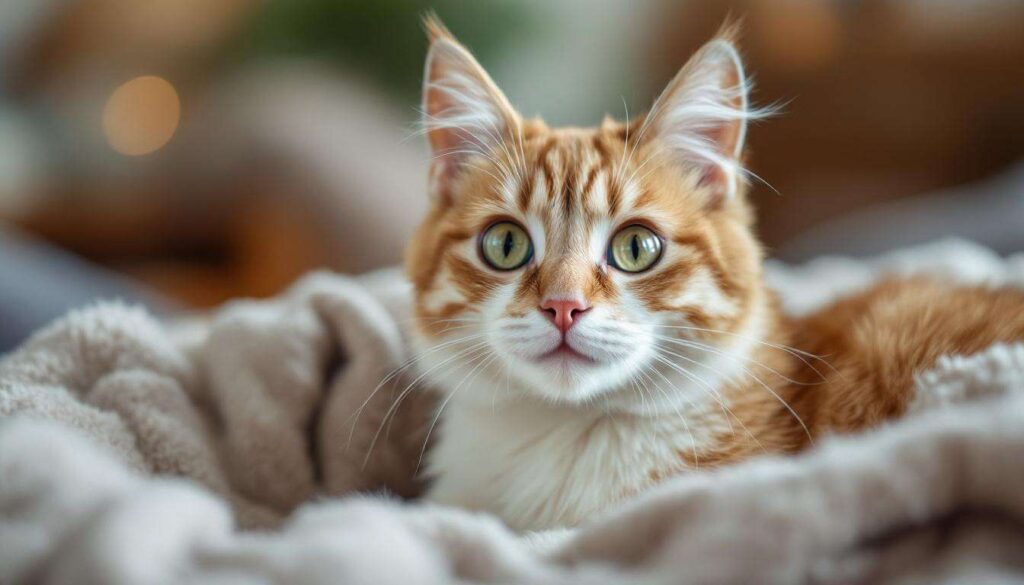
Cats remain one of the most misunderstood domestic companions, despite their widespread presence in households across the country. Their subtle body language, independent nature and specific physiological needs often lead well-meaning owners to make mistakes that can compromise their pet’s wellbeing. Drawing on veterinary expertise and clinical observations, this article examines the most common errors that cat owners should avoid to ensure their feline friends lead healthy, contented lives.
Understanding feline communication
Recognising stress signals in cats
Cats communicate primarily through body language and vocalisations that many owners misinterpret or overlook entirely. A flicking tail, flattened ears or dilated pupils often indicate distress rather than playfulness, yet these signals are frequently dismissed. Forcing physical contact when a cat displays these warning signs can escalate anxiety and damage the human-animal bond.
- Tail thrashing indicates irritation or overstimulation
- Ears pinned backwards signal fear or aggression
- Excessive grooming suggests stress or medical issues
- Hiding behaviour reflects a need for security
The dangers of anthropomorphism
Treating cats as though they possess human emotional responses represents a fundamental misunderstanding of their nature. Cats do not respond to punishment in the manner dogs might, nor do they understand scolding after the fact. Delayed reprimands create confusion rather than behavioural modification, as cats cannot connect consequences to actions that occurred more than seconds earlier. This misconception leads owners to inadvertently reinforce problematic behaviours whilst believing they are correcting them.
Understanding these communication differences naturally leads to considerations about how we approach basic care, particularly regarding nutrition.
Do not force feeding
Respecting natural eating patterns
Cats are obligate carnivores with specific dietary requirements that differ markedly from human nutritional needs. Attempting to impose vegetarian or vegan diets on cats can result in severe deficiencies, particularly of taurine, arachidonic acid and vitamin A, which are essential for cardiac function, vision and overall health. Similarly, forcing a cat to eat when it refuses food may mask underlying medical conditions that require veterinary attention.
| Nutrient | Function | Deficiency consequence |
|---|---|---|
| Taurine | Heart and eye health | Cardiomyopathy, blindness |
| Arachidonic acid | Inflammatory response | Skin and coat problems |
| Vitamin A | Vision and immunity | Night blindness, infections |
Recognising appetite changes
A sudden loss of appetite in cats warrants immediate veterinary consultation rather than attempts to force-feed. Hepatic lipidosis, a potentially fatal liver condition, can develop when cats go without food for as little as 24 to 48 hours. Owners who try to coax reluctant eaters with inappropriate foods such as milk, which many adult cats cannot digest properly, may exacerbate gastrointestinal distress whilst delaying proper diagnosis.
Beyond nutritional concerns, the substances we introduce into a cat’s environment pose equally significant risks.
Avoid toxic products
Common household hazards
Many everyday items found in typical homes present serious toxicity risks to cats. Essential oils, increasingly popular for aromatherapy, contain compounds that cats cannot metabolise due to their deficient glucuronidation pathways. Phenols and monoterpene hydrocarbons accumulate in feline systems, causing liver damage, neurological symptoms and respiratory distress.
- Lilies cause acute kidney failure, even from pollen exposure
- Paracetamol is rapidly fatal due to methemoglobinaemia
- Tea tree oil induces tremors and hypothermia
- Xylitol triggers hypoglycaemia and liver failure
- Permethrin-based dog flea treatments cause seizures
Medication dangers
Administering human medications to cats without veterinary guidance represents one of the most dangerous mistakes owners make. Non-steroidal anti-inflammatory drugs, even in small doses, can cause gastric ulceration and renal failure. Similarly, applying dog-specific parasite treatments to cats can prove fatal, as cats lack the enzymatic pathways necessary to process certain insecticides safely.
Creating a safe physical environment extends beyond removing toxic substances to addressing cats’ behavioural needs.
Respect the need for tranquillity
Providing adequate retreat spaces
Cats require secure, elevated locations where they can observe their territory whilst feeling protected from perceived threats. Denying cats access to quiet spaces or constantly disturbing them during rest periods elevates cortisol levels, potentially contributing to stress-related conditions such as feline idiopathic cystitis and inappropriate elimination behaviours.
Managing multi-pet households
Introducing new animals without proper acclimatisation protocols causes significant psychological distress. Cats are territorial creatures that require gradual, controlled introductions to new household members. Forcing immediate contact between cats or with dogs can trigger aggression, anxiety and long-term behavioural problems that prove difficult to resolve.
Maintaining psychological wellbeing connects directly to the importance of regular professional health assessments.
Do not neglect veterinary care
The importance of preventative medicine
Many owners mistakenly believe that indoor cats require minimal veterinary attention. However, regular health examinations enable early detection of conditions such as dental disease, hyperthyroidism and chronic kidney disease, which progress silently until reaching advanced stages. Cats instinctively mask illness as a survival mechanism, making professional assessment crucial for identifying problems before they become critical.
Vaccination and parasite control
Dismissing vaccination protocols because a cat remains indoors ignores the reality that airborne pathogens and parasites can enter homes through various means. Rabies, where endemic, poses public health concerns, whilst feline leukaemia virus and feline immunodeficiency virus cause immunosuppression and secondary infections. Similarly, neglecting parasite prevention allows infestations that affect both animal and human health.
Professional healthcare guidance should inform how we structure the spaces where cats spend their lives.
Monitor the domestic environment
Temperature and ventilation considerations
Cats tolerate heat poorly compared to many other species, yet owners frequently underestimate the risks of hyperthermia. Brachycephalic breeds face particular vulnerability, but all cats require access to cool areas and fresh water, especially during warmer months. Conversely, very young, elderly or ill cats may need supplemental warmth to maintain appropriate body temperature.
Environmental enrichment requirements
Providing adequate mental and physical stimulation prevents obesity, destructive behaviours and psychological deterioration. A barren environment lacking vertical space, scratching surfaces and interactive opportunities fails to meet cats’ ethological needs, contributing to stress-related medical conditions and behavioural problems.
- Vertical climbing structures satisfy natural behaviours
- Multiple litter trays reduce territorial stress
- Window access provides environmental stimulation
- Regular play sessions maintain physical fitness
Responsible cat ownership requires understanding that these animals possess unique physiological and psychological needs that differ fundamentally from human expectations. Avoiding the common mistakes outlined here enhances feline welfare whilst strengthening the bond between cats and their caregivers. Recognising the signs of distress, providing species-appropriate nutrition, eliminating environmental hazards, respecting behavioural requirements, maintaining regular veterinary care and monitoring living conditions collectively ensure cats receive the standard of care their health demands.