



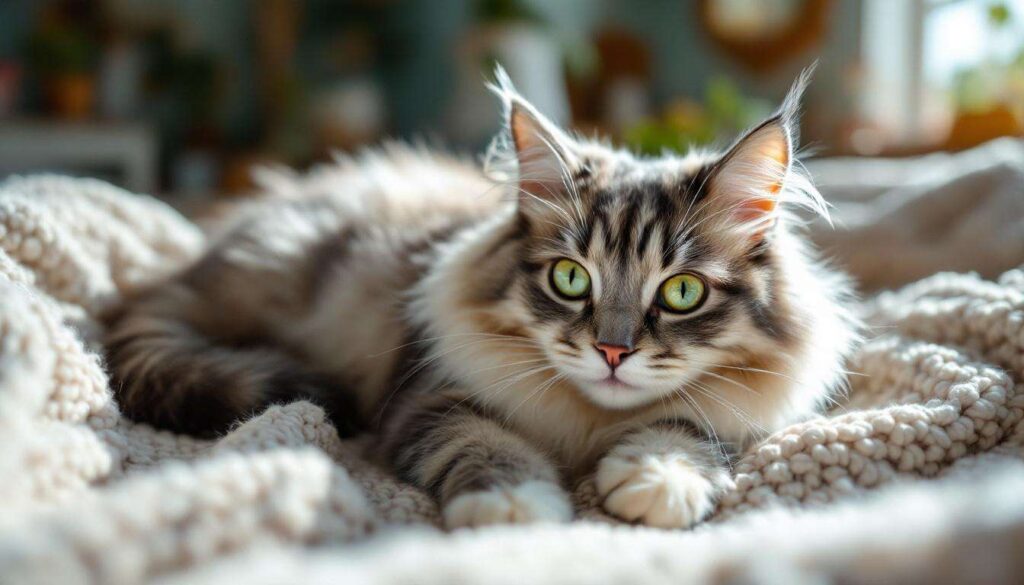
Few animals have woven themselves into the fabric of human civilisation quite like the domestic cat. These enigmatic creatures, with their independent spirits and graceful movements, occupy a unique position in our homes and hearts. Yet their journey from wild hunters to cherished companions represents one of nature’s most remarkable transformations. Unlike dogs, deliberately bred for specific tasks, cats essentially domesticated themselves through a mutually beneficial arrangement that began thousands of years ago. This extraordinary tale reveals how opportunistic felines capitalised on human agricultural development, gradually evolving from cautious observers into the pampered pets we know today.
The beginnings of cat domestication
Agricultural revolution and feline opportunity
The story of cat domestication begins approximately 10,000 years ago in the Fertile Crescent, where humans first established permanent agricultural settlements. As communities stored grain harvests, they inadvertently created ideal conditions for rodent populations to flourish. Wild cats, particularly Felis silvestris lybica, the African wildcat, recognised this abundant food source and began frequenting human settlements.
Archaeological evidence from Cyprus reveals cat remains dating back 9,500 years, suggesting these animals accompanied humans across water, indicating a relationship already underway. Key factors facilitating this early association included:
- Grain storage attracting mice and rats in large numbers
- Wildcats’ natural hunting instincts targeting these rodents
- Humans recognising the pest control benefits cats provided
- Mutual tolerance developing between species
- Gradual habituation reducing feline wariness of human presence
Genetic evidence of domestication
Modern DNA analysis has traced domestic cats to five founding matriarchs from the Near Eastern wildcat population. Unlike the intensive selective breeding that created dog varieties, cat domestication occurred through self-selection. The boldest, least fearful wildcats thrived near human settlements, passing these temperamental traits to offspring. This natural selection process created animals increasingly comfortable with human proximity whilst retaining much of their wild ancestry.
This gradual process set the stage for a relationship that would span millennia and cross continents.
From wildling to companion: a fascinating evolution
Physical and behavioural changes
Domestication subtly altered cats compared to their wild ancestors. Domestic cats typically exhibit neotenic features, retaining juvenile characteristics into adulthood. These changes include:
| Characteristic | Wild cats | Domestic cats |
|---|---|---|
| Size | Larger, more muscular | Slightly smaller, varied |
| Coat patterns | Camouflage tabby | Diverse colours and patterns |
| Vocalisation | Limited adult communication | Extensive meowing to humans |
| Social tolerance | Solitary except breeding | Variable social behaviour |
The semi-domestic paradox
Cats occupy a unique position amongst domesticated animals. Whilst dogs underwent intensive selective breeding for specific roles, cats remained largely self-sufficient. They retained their hunting prowess, independent nature, and ability to survive without human support. This semi-domesticated status explains why cats can readily return to feral living, unlike most domestic species that struggle without human care.
Understanding these evolutionary changes helps explain why cats behave so differently from other pets, leading us to examine how various cultures perceived them.
Human-cat relationships throughout history
Ancient Egypt: divine status
No civilisation elevated cats quite like ancient Egypt. Egyptians venerated cats as sacred animals, associating them with the goddess Bastet. Killing a cat, even accidentally, carried severe penalties including death. Families mourned deceased cats by shaving their eyebrows, and mummified felines accompanied owners into the afterlife. This reverence facilitated cats’ spread throughout the Mediterranean as Egyptian trade expanded.
Medieval Europe: from persecution to acceptance
Medieval Europe witnessed dramatic shifts in feline fortunes. The Catholic Church’s association of cats with paganism and witchcraft led to widespread persecution, particularly of black cats. This tragic campaign may have inadvertently worsened the Black Death, as reduced cat populations allowed plague-carrying rodents to proliferate.
The Renaissance gradually restored cats’ reputation. Their undeniable utility aboard ships controlling rat populations made them valuable to maritime nations. By the 18th century, cats had regained acceptance across Europe.
Asian traditions and cats
Eastern cultures developed distinct relationships with cats. In Japan, the maneki-neko (beckoning cat) symbolises good fortune. Chinese culture appreciated cats for protecting silkworm cocoons and manuscripts from rodents. Islamic tradition holds cats in high regard, with Prophet Muhammad reportedly fond of felines.
These varied cultural perspectives reveal humanity’s complex relationship with cats, which intertwined with numerous myths and beliefs.
Myths and beliefs surrounding cats
Supernatural associations
Cats’ nocturnal habits, silent movement, and reflective eyes spawned countless superstitions. Common beliefs included:
- Cats possessing nine lives due to their remarkable survival abilities
- Black cats bringing either fortune or misfortune depending on culture
- Cats stealing babies’ breath, a dangerous misconception
- Felines serving as witches’ familiars or shape-shifted witches themselves
- Cats predicting weather changes through behaviour patterns
Modern understanding versus folklore
Contemporary science has debunked most superstitions whilst revealing genuine extraordinary abilities. Cats possess exceptional sensory capabilities, detecting frequencies and movements imperceptible to humans. Their supposed aloofness actually reflects independent temperaments shaped by evolution. Rather than supernatural beings, cats are highly adapted predators whose behaviours once seemed mysterious but now have scientific explanations.
These myths aside, cats possess genuine remarkable qualities that facilitated their successful domestication.
The adaptability of cats: an asset for domestication
Biological flexibility
Cats demonstrate extraordinary adaptability to diverse environments. Their biological versatility includes:
- Thriving in climates from Arctic to desert regions
- Adjusting diet from pure carnivore to opportunistic feeding
- Functioning independently or within loose social structures
- Maintaining hunting skills across generations regardless of domestication
- Adapting to urban, suburban, and rural settings equally
Behavioural plasticity
Unlike many domesticated species requiring constant human interaction, cats balance independence with companionship. They regulate their own social needs, approaching humans for affection when desired whilst maintaining autonomous routines. This low-maintenance nature particularly suits modern lifestyles, where owners may work long hours yet still desire animal companionship.
These adaptive qualities explain cats’ enduring popularity and their dominant position in contemporary households.
The modern cat: king of today’s households
Statistical dominance
Cats have become the most popular pet in numerous countries. Their numbers often exceed dogs in urban areas where space limitations and lifestyle demands favour their independent nature. Modern cats enjoy unprecedented comfort, with dedicated industries providing specialised nutrition, healthcare, toys, and furniture.
The internet age phenomenon
Digital culture has elevated cats to celebrity status. Feline content dominates social media platforms, with cat videos generating billions of views. This phenomenon reflects cats’ photogenic qualities and behaviours that humans find endlessly entertaining. Famous internet cats command substantial followings, transforming some into lucrative brands.
Contemporary challenges and welfare
Modern cat ownership faces important considerations:
- Balancing indoor safety with cats’ need for stimulation
- Addressing obesity from overfeeding and insufficient activity
- Managing feral populations humanely through trap-neuter-return programmes
- Recognising environmental impacts of outdoor cats on wildlife
- Ensuring proper veterinary care and responsible ownership
From opportunistic hunters at the edges of ancient settlements to beloved family members occupying prime furniture spots, cats have completed an extraordinary journey. Their domestication story differs fundamentally from other pets, characterised by mutual benefit rather than human control. These remarkable animals retained their wild essence whilst adapting to human environments, creating a unique relationship that continues evolving. As our understanding of feline behaviour deepens through scientific research, we appreciate that cats chose us as much as we chose them, forging a partnership that has endured for millennia and shows no signs of diminishing in our modern world.