



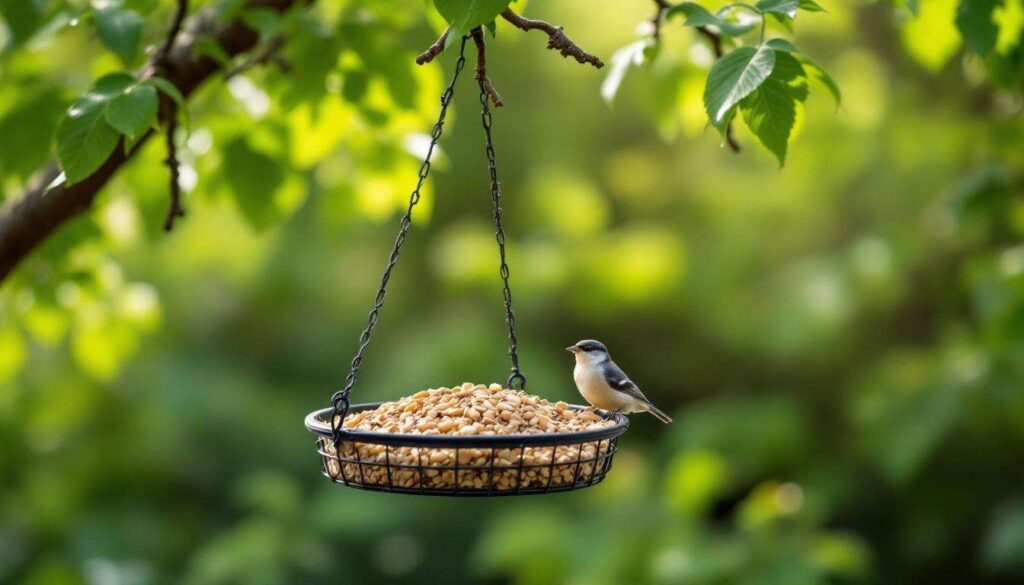
Bird feeders promise hours of delightful observation, yet many garden enthusiasts find themselves staring at empty perches and untouched seeds. This frustrating scenario affects countless households, leaving well-intentioned bird lovers questioning their setup. Multiple factors contribute to this absence, ranging from placement errors to food selection mishaps. Understanding these variables and implementing strategic adjustments can transform a neglected feeder into a bustling avian hub that attracts diverse species throughout the year.
Understanding why birds are avoiding your feeder
Common deterrents that keep birds away
Birds possess highly developed survival instincts that dictate their feeding behaviour. Several factors trigger their avoidance mechanisms, making even the most generously stocked feeder unappealing. Predator presence ranks amongst the primary concerns, as birds will not risk their safety for a meal. Domestic cats prowling nearby, hawks perched in visible locations, or insufficient escape routes all signal danger to potential visitors.
Additional deterrents include:
- Lack of nearby shelter or perching spots before approaching the feeder
- Excessive noise from machinery, traffic, or human activity
- Strong chemical odours from pesticides or cleaning products
- Reflective surfaces or windows causing disorientation
- Competition from aggressive species monopolising the feeding area
The impact of dirty or poorly maintained feeders
Hygiene plays a crucial role in attracting birds. Mould, bacteria, and spoiled food accumulate rapidly in feeders, particularly during humid conditions. Birds instinctively avoid contaminated food sources that could spread disease within their population. Feeders should be cleaned with a diluted bleach solution every two weeks, followed by thorough rinsing and complete drying before refilling.
| Feeder Type | Cleaning Frequency | Common Issues |
|---|---|---|
| Tube feeders | Every 2 weeks | Seed clumping, mould in ports |
| Platform feeders | Weekly | Droppings, wet seed accumulation |
| Suet feeders | Monthly | Rancid fat, insect infestation |
Beyond cleanliness concerns, the physical condition of your feeder matters equally. Damaged perches, sharp edges, or unstable mounting can all discourage visits from even the most determined birds.
Is your feeder’s location optimal ?
Strategic placement for bird safety and visibility
Location determines success more than any other single factor. Birds require clear sightlines to detect approaching predators whilst simultaneously needing nearby cover for quick escapes. The ideal placement balances these competing needs by positioning feeders approximately three metres from dense shrubs or trees. This distance prevents ambush attacks whilst providing accessible refuge.
Height considerations vary by species, but most feeders perform best when mounted between 1.5 and 2 metres above ground level. Ground-feeding species such as dunnocks and blackbirds prefer platform feeders placed lower, whilst finches and tits favour elevated tube feeders.
Environmental factors affecting feeder success
Weather exposure significantly impacts both food quality and bird comfort. Feeders positioned in sheltered locations protect seeds from rain and snow, preventing premature spoilage. Eastern or south-eastern orientations offer morning sun whilst avoiding harsh afternoon heat that can cause seed oils to turn rancid.
Wind exposure creates additional challenges, as swaying feeders deter smaller species and scatter lightweight seeds. Natural windbreaks from hedges or structures improve stability and visitor confidence. These placement considerations naturally lead to questions about what you’re offering these potential visitors.
Choosing the right type of food to attract birds
Matching food to target species
Different bird species possess distinct dietary preferences shaped by beak structure and nutritional requirements. Generic mixed seed often contains high proportions of filler grains that British birds ignore, creating waste and discouraging visits. Black sunflower seeds appeal to the widest variety of species, offering high energy content in easily cracked shells.
Species-specific preferences include:
- Robins and wrens: mealworms, suet pellets, and insect-rich mixes
- Finches: nyjer seeds and sunflower hearts
- Tits and nuthatches: peanuts, sunflower seeds, and fat balls
- Thrushes: raisins, apples, and berry-containing mixes
- Sparrows: millet, wheat, and mixed grains
Quality matters more than quantity
Fresh, high-quality food attracts more birds than large quantities of stale offerings. Seeds lose nutritional value and palatability over time, particularly when exposed to moisture. Purchase amounts you can use within four to six weeks and store supplies in airtight containers away from heat and humidity.
Avoid bread, salted items, desiccated coconut, and raw rice, as these can harm birds. Investment in premium food yields better results than budget options padded with rejected filler seeds. Understanding how seasonal changes affect bird behaviour further enhances your feeding strategy.
Adapting equipment to the seasons for better visits
Winter feeding strategies
Cold months demand high-energy foods as birds struggle to maintain body temperature. Suet-based products, fat balls, and calorie-dense seed mixes become essential during freezing conditions. Increase feeding frequency and quantities, as natural food sources diminish and birds require more fuel for survival.
Water provision becomes equally critical when natural sources freeze. Heated bird baths or regularly refreshed shallow dishes support both drinking and bathing needs throughout winter.
Spring and summer considerations
Breeding season brings different requirements as parent birds seek protein-rich foods for developing chicks. Live or dried mealworms become particularly valuable, alongside continued seed provision. Reduce suet offerings during hot weather, as high-fat content can cause digestive issues in warm temperatures.
| Season | Priority Foods | Special Considerations |
|---|---|---|
| Winter | Fat balls, suet, sunflower hearts | Increase quantities, provide water |
| Spring | Mealworms, protein mixes | Support breeding pairs |
| Summer | Seeds, insects, fruit | Reduce fat content, clean frequently |
| Autumn | Mixed seeds, berries | Help build winter reserves |
These seasonal adjustments work best when combined with broader environmental improvements around your feeding station.
Creating a welcoming environment for birds
Landscaping for bird attraction
Feeders function as supplements to natural food sources rather than replacements. Gardens offering diverse native plantings attract more birds by providing insects, berries, seeds, and nesting materials. Layered vegetation with trees, shrubs, and ground cover creates varied habitats appealing to different species.
Berry-producing plants such as hawthorn, rowan, and cotoneaster offer autumn and winter sustenance. Seed-bearing flowers including teasel, sunflowers, and lavender provide natural feeding opportunities whilst enhancing garden aesthetics.
Water and shelter provisions
Fresh water ranks equally important as food for attracting birds. Shallow baths with gradually sloping sides accommodate various species safely. Position water sources near cover but with clear sightlines, changing water daily to prevent disease transmission.
Nesting boxes, dense hedges, and evergreen shrubs offer shelter and breeding sites that encourage birds to establish territories around your garden. These resident populations naturally utilise nearby feeders more consistently than transient visitors. Establishing these foundations sets the stage for ongoing refinement of your bird-feeding practice.
Observe and adjust to maximise bird visits
Monitoring patterns and preferences
Successful bird feeding requires careful observation and willingness to adapt. Keep notes about which species visit, their food preferences, and peak activity times. This information guides purchasing decisions and helps identify what works in your specific location.
Some adjustments to consider:
- Testing different feeder styles if current designs remain unused
- Varying food types to attract broader species diversity
- Adjusting feeder heights based on observed visitor preferences
- Adding multiple feeding stations to reduce competition
- Relocating feeders if initial placement proves unsuccessful
Patience and persistence
Birds require time to discover new food sources and assess their safety. Initial setup may take several weeks before regular visits begin, particularly in areas with limited existing bird populations. Consistency matters more than perfection, as reliable food availability builds trust within local bird communities.
Maintain feeding through quiet periods rather than abandoning efforts prematurely. Once established, feeding stations become integrated into territorial ranges, ensuring steady visits across seasons.
Transforming an empty feeder into a thriving bird haven requires understanding avian behaviour, strategic placement, appropriate food selection, and environmental enhancement. Regular maintenance, seasonal adjustments, and patient observation complete the formula for success. These combined efforts create rewarding opportunities to support local bird populations whilst enjoying their presence in your garden throughout the year.