



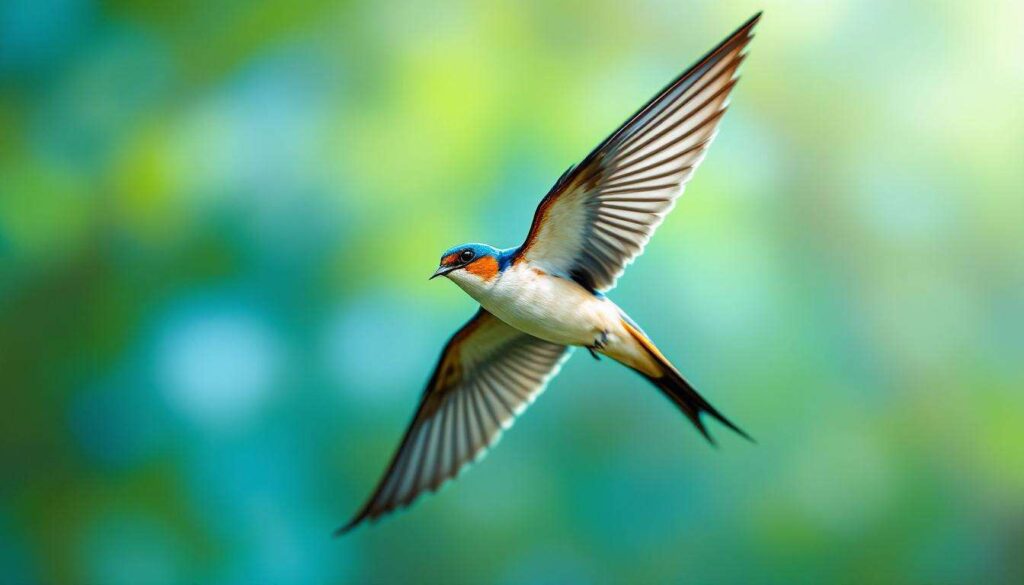
The swift has soared to victory in the Royal Society for the Protection of Birds’ first-ever public vote for bird of the year. This remarkable aerial acrobat captured the hearts and votes of nature enthusiasts across the nation, beating nine other contenders to claim the prestigious title. The competition saw thousands of people casting their ballots to celebrate their favourite feathered species, with the swift emerging as a clear favourite. This victory highlights the growing public awareness of declining bird populations and the urgent need for conservation action. The swift’s triumph represents more than just a popularity contest; it serves as a powerful reminder of the challenges facing migratory birds and the collective responsibility to protect them.
The swift crowned bird of the year by the RSPB
The Royal Society for the Protection of Birds launched its inaugural bird of the year competition to engage the public in avian conservation. The swift emerged victorious from a shortlist of ten species, each representing different aspects of Britain’s diverse birdlife. The competition attracted widespread participation, with voters drawn to the swift’s remarkable characteristics and declining population status.
The voting process allowed members of the public to support their chosen species through the RSPB’s website. The swift’s victory was announced following a campaign period during which conservation organisations and bird enthusiasts championed their preferred candidates. The swift’s win demonstrated public recognition of the species’ plight and its iconic status in British summer skies.
| Aspect | Details |
|---|---|
| Competition type | Public vote |
| Number of candidates | 10 species |
| Winner | Swift |
| Organiser | RSPB |
The announcement generated significant media coverage and social media engagement, bringing the swift’s conservation needs into the national spotlight. This recognition provides an important platform for raising awareness about the species’ declining numbers and the actions needed to reverse this trend.
Why was the swift chosen ?
The swift’s victory reflects several compelling factors that resonated with voters. These birds possess extraordinary aerial abilities, spending almost their entire lives on the wing, eating, sleeping and even mating whilst airborne. Their screaming calls and spectacular aerial displays are synonymous with British summer, making them a beloved species across the country.
Several key characteristics contributed to the swift’s appeal:
- Their remarkable migration journey from sub-Saharan Africa to Britain each spring
- The ability to fly continuously for up to ten months without landing
- Their distinctive sickle-shaped silhouette and high-speed flight
- The nostalgic connection many people have with their summer presence
- Their alarming population decline of nearly 60% since 1995
The swift’s declining numbers played a crucial role in mobilising support. Voters recognised that this species faces serious threats and requires immediate conservation intervention. The combination of the swift’s charismatic nature and vulnerable status created a compelling case for public support.
The species’ unique lifestyle also captured public imagination. Swifts represent freedom and endurance, qualities that resonate deeply with nature lovers. Their dependence on human buildings for nesting sites creates a direct connection between people and these remarkable birds, making conservation action both accessible and meaningful for ordinary citizens.
The impact of this accolade on conservation
The swift’s victory has generated significant momentum for conservation initiatives. The RSPB has leveraged this public interest to promote specific actions that individuals and communities can take to support swift populations. The award has amplified awareness of the species’ needs and mobilised resources for protection efforts.
Conservation benefits resulting from this recognition include:
- Increased funding opportunities for swift-specific projects
- Greater public engagement with nest box installation programmes
- Enhanced collaboration between conservation organisations and local authorities
- Improved planning guidance to protect swift nesting sites in buildings
- Expanded citizen science initiatives to monitor swift populations
The accolade has encouraged community-led conservation projects across Britain. Local groups have organised swift walks, installed nest boxes in schools and community buildings, and created swift-friendly habitats. This grassroots engagement represents a vital component of successful conservation, complementing larger-scale initiatives.
Media attention surrounding the award has reached audiences beyond traditional conservation circles. This broader engagement has introduced the swift’s plight to new supporters who may not have previously considered bird conservation. The ripple effect of this awareness could benefit not only swifts but other declining species that share similar threats.
The role of the RSPB in bird protection
The Royal Society for the Protection of Birds stands as Britain’s largest nature conservation charity, with over one million members supporting its mission. The organisation operates more than 200 nature reserves and conducts extensive research, monitoring and advocacy work to protect birds and their habitats.
The RSPB’s conservation work encompasses multiple approaches:
- Scientific research to understand species’ needs and population trends
- Habitat creation and restoration projects
- Policy advocacy to influence environmental legislation
- Public engagement and education programmes
- International partnerships to protect migratory species
The bird of the year competition represents an innovative approach to public engagement. By inviting people to participate in celebrating Britain’s birdlife, the RSPB has created a platform for raising awareness whilst fostering emotional connections with wildlife. This strategy recognises that conservation success depends on public support and participation.
The organisation’s expertise in swift conservation includes developing best practice guidance for incorporating swift nest sites in buildings, training planners and architects, and coordinating volunteer monitoring efforts. These initiatives demonstrate the RSPB’s comprehensive approach to species protection, addressing both immediate threats and long-term habitat requirements.
Threats facing the swift
Swifts confront multiple interconnected threats that have driven their dramatic population decline. Understanding these challenges is essential for developing effective conservation responses and reversing the downward trend in swift numbers.
| Threat | Impact |
|---|---|
| Loss of nesting sites | Building renovations seal access holes |
| Insect decline | Reduced food availability |
| Climate change | Disrupted migration timing |
| Modern architecture | Fewer suitable nesting opportunities |
The primary threat stems from the loss of nesting sites in buildings. Swifts traditionally nest in cavities under eaves, in roof spaces and behind cladding. Modern building practices and renovation work frequently eliminate these access points, leaving swifts without suitable breeding locations. This problem is particularly acute in urban areas where swift populations were historically concentrated.
The widespread decline in flying insects, driven by pesticide use and habitat loss, has reduced the swift’s food supply. These birds feed exclusively on aerial insects, making them particularly vulnerable to changes in insect populations. Climate change compounds this challenge by potentially creating mismatches between swift arrival times and peak insect abundance.
Actions for swifts in 2023
Following the bird of the year announcement, numerous practical initiatives have been implemented to support swift populations. These actions range from individual efforts to large-scale planning interventions, demonstrating the variety of approaches available for swift conservation.
Key conservation actions include:
- Installing swift nest boxes on residential and commercial buildings
- Incorporating swift bricks into new construction projects
- Protecting existing nesting sites during building renovations
- Creating insect-rich habitats through wildlife-friendly gardening
- Participating in swift surveys and monitoring programmes
Swift bricks have gained particular prominence as a simple yet effective conservation tool. These specially designed building blocks contain cavities suitable for swift nesting and can be integrated seamlessly into new buildings. Several local authorities now require swift bricks in new developments, representing a significant policy victory for conservation advocates.
Community engagement has intensified through organised swift events, including dawn and dusk watches where people gather to observe these magnificent birds. These events serve dual purposes: collecting valuable population data whilst inspiring participants to take conservation action in their own neighbourhoods.
The swift’s recognition as bird of the year has catalysed a national conversation about urban wildlife and our responsibility towards species that share our built environment. This momentum offers genuine hope for reversing population declines and ensuring future generations can experience the thrill of watching swifts screaming through summer skies. The combination of public enthusiasm, practical conservation measures and policy changes provides a foundation for recovery, demonstrating how collective action can make a meaningful difference for threatened species. The swift’s victory serves as both celebration and call to action, reminding us that conservation success requires sustained commitment and widespread participation.