


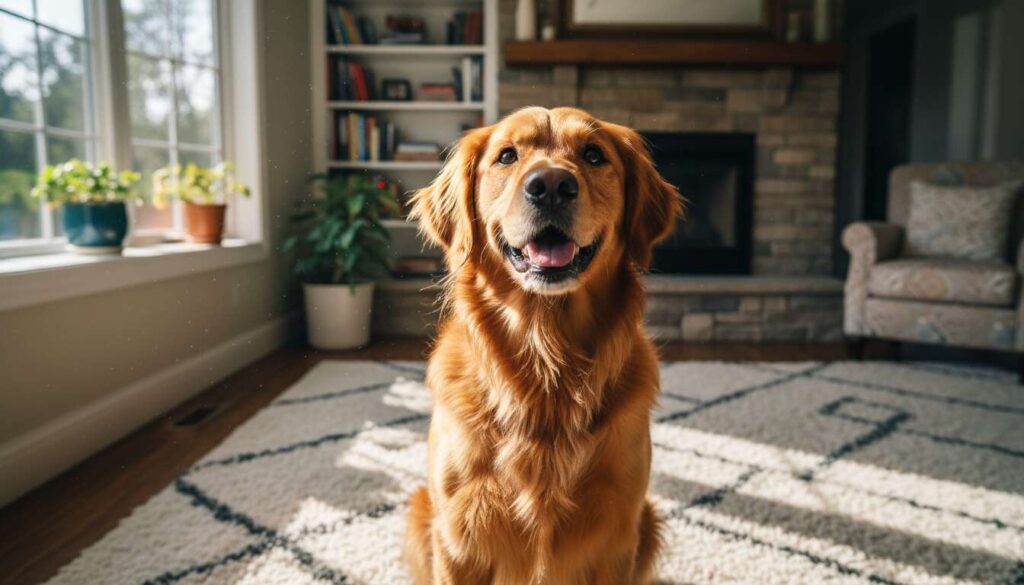
Dogs have an extraordinary ability to form deep emotional bonds with their human companions. Understanding whether your canine friend genuinely loves and trusts you involves observing specific behaviours that reveal their emotional state. These signs go beyond simple obedience or routine interactions, reflecting a profound connection built on mutual affection and security. By learning to recognise these indicators, you can better appreciate the depth of your relationship with your four-legged companion and strengthen the bond you share.
Recognising signs of affection from your dog
Eye contact and the love hormone
When your dog gazes into your eyes with a soft, relaxed expression, this represents one of the most powerful demonstrations of affection. Scientific research has shown that mutual eye contact between dogs and their owners triggers the release of oxytocin, often called the love hormone, in both parties. This chemical response mirrors the bonding process between human parents and their children, highlighting the profound nature of the human-canine relationship.
Dogs who trust their owners will maintain comfortable eye contact without displaying signs of stress or submission. This gentle gaze differs markedly from a hard stare, which can indicate aggression or discomfort. A loving look typically involves soft eyes, a relaxed face, and sometimes what appears to be a smile.
Physical affection and leaning behaviour
Dogs demonstrate their love through various forms of physical contact. When your dog leans against you, this behaviour signifies more than seeking support. Leaning represents a dog’s desire for closeness and their complete trust in your presence. This action shows they feel safe enough to make themselves vulnerable by relying on you for physical support.
- Resting their head on your lap or feet
- Pressing their body against your legs whilst standing
- Seeking cuddles and physical closeness during rest periods
- Gentle pawing to request attention or affection
These gestures indicate that your dog views you as a source of comfort and security, fundamental elements of a trusting relationship.
Understanding how your dog expresses affection naturally leads to examining the specific behaviours that demonstrate their confidence in you.
Gestures that show your dog’s trust
Exposing their vulnerable areas
When a dog rolls onto their back and exposes their belly, this represents the ultimate sign of trust. The abdomen contains vital organs, and in the animal kingdom, exposing this area makes a creature extremely vulnerable. Dogs only perform this behaviour around individuals they completely trust, knowing they will not be harmed.
Similarly, allowing you to handle their paws, ears, and tail without resistance demonstrates significant trust. These sensitive areas are typically protected, and a dog who permits you to touch them freely shows they feel secure in your care.
Relaxed sleeping positions near you
Sleep represents a particularly vulnerable state for animals. Dogs who trust their owners will sleep in exposed positions rather than curled up defensively. They may sleep on their backs, with their legs in the air, or stretched out completely. Choosing to sleep in your presence or in your bedroom indicates they feel safe enough to enter a deep, restful sleep.
| Sleeping Position | Trust Level | What It Indicates |
|---|---|---|
| Tightly curled | Lower trust | Self-protection, uncertainty |
| On their side | Moderate trust | Comfortable but cautious |
| Belly exposed | Complete trust | Total security and relaxation |
These trust indicators connect closely with another common behaviour that puzzles many dog owners.
Why does your dog follow you everywhere ?
The pack mentality and attachment
Dogs are descended from pack animals, and their instinct drives them to stay close to their family unit. When your dog follows you from room to room, this behaviour stems from their deep attachment and their perception of you as their pack leader. This constant companionship indicates they prefer your company above all else and feel most secure when near you.
This following behaviour, sometimes called “velcro dog” syndrome, demonstrates that your dog considers you the centre of their world. Whilst some breeds exhibit this trait more strongly than others, the underlying motivation remains the same: love and trust.
Separation anxiety versus healthy attachment
It is important to distinguish between healthy attachment and separation anxiety. A dog who loves and trusts you will follow you but can also cope with brief separations without distress. They may wait by the door or show excitement upon your return, but they do not exhibit destructive behaviour or excessive stress when alone.
- Healthy attachment: calm waiting, normal behaviour when alone
- Separation anxiety: destructive behaviour, excessive vocalisation, house soiling
- Secure dogs: able to settle in another room if necessary
- Anxious dogs: unable to relax without owner present
Beyond following behaviour, dogs communicate their feelings through sophisticated physical signals.
Your dog’s body language
Tail wagging patterns and meanings
Not all tail wags indicate happiness. The speed, height, and direction of tail wagging provide crucial information about your dog’s emotional state. A relaxed, broad wag that involves the entire rear end typically signals genuine happiness and affection, particularly when accompanied by a relaxed body posture.
Research has shown that dogs wag their tails more to the right side of their body when experiencing positive emotions towards their owners. This subtle asymmetry reflects the brain’s processing of positive emotions, demonstrating the scientific basis of canine affection.
Facial expressions and ear positions
Dogs possess remarkably expressive faces. Relaxed ears, soft eyes, and a slightly open mouth often indicate contentment and trust. When your dog’s entire face appears soft and their features are not tense, this demonstrates they feel comfortable and happy in your presence.
Some dogs even develop specific facial expressions reserved exclusively for their owners, a phenomenon researchers call “puppy dog eyes”. This expression, involving raised inner eyebrows, has evolved specifically to appeal to humans and strengthen the bond between species.
These body language signals often manifest during special moments you share together.
Shared intimate moments with your dog
Bringing you their favourite toys
When your dog brings you their most prized possession, whether a toy, ball, or stick, this represents a significant gesture of trust and affection. Dogs do not share their valuable resources with just anyone. By offering you their favourite item, they demonstrate they trust you to respect what matters to them and they wish to include you in activities they enjoy.
This behaviour also indicates your dog wants to engage with you and values the interactive play sessions you share. The act of bringing toys specifically to you, rather than simply playing alone, shows they prefer shared experiences.
Seeking comfort during stressful situations
Dogs who love and trust their owners will seek them out during frightening or stressful situations. Whether during thunderstorms, fireworks, or unfamiliar circumstances, a dog who turns to you for comfort demonstrates complete faith in your ability to provide security and protection.
- Hiding behind you when encountering something frightening
- Seeking physical contact during storms or loud noises
- Looking to you for reassurance in new environments
- Calming down more quickly in your presence
These intimate moments reflect the broader patterns of loyalty that define the human-canine bond.
Your companion’s loyalty behaviours
Protective instincts without aggression
A dog who loves you will naturally feel protective but will not display inappropriate aggression. This balanced protectiveness manifests as alertness to potential threats whilst remaining responsive to your commands and guidance. They may position themselves between you and strangers or alert you to unusual sounds, but they trust your judgement about whether something truly poses a danger.
This controlled protective behaviour demonstrates both love and trust: love motivating them to keep you safe, and trust allowing them to defer to your assessment of situations.
Excitement upon your return
The enthusiastic greeting you receive when returning home, regardless of whether you have been gone for five minutes or five hours, represents pure, unfiltered joy at your presence. This consistent excitement demonstrates that your dog genuinely misses you and values your company above all else.
Studies have shown that dogs’ heart rates increase and their bodies release dopamine when their owners return, providing physiological evidence of the genuine happiness they experience. This reaction occurs specifically with their owners, not with just any person entering the home.
The bond between humans and dogs represents one of nature’s most remarkable interspecies relationships. By recognising these seven signs, from gentle eye contact and vulnerable sleeping positions to protective instincts and enthusiastic greetings, you can appreciate the depth of your dog’s love and trust. These behaviours reflect not merely training or routine but genuine emotional attachment developed through consistent care, positive interactions, and mutual respect. Understanding these signals allows you to respond appropriately to your dog’s needs, further strengthening the extraordinary connection you share. Every tail wag, loving gaze, and moment of closeness confirms what dog owners have always known: the love of a dog represents one of life’s greatest gifts, freely given and deeply felt.