



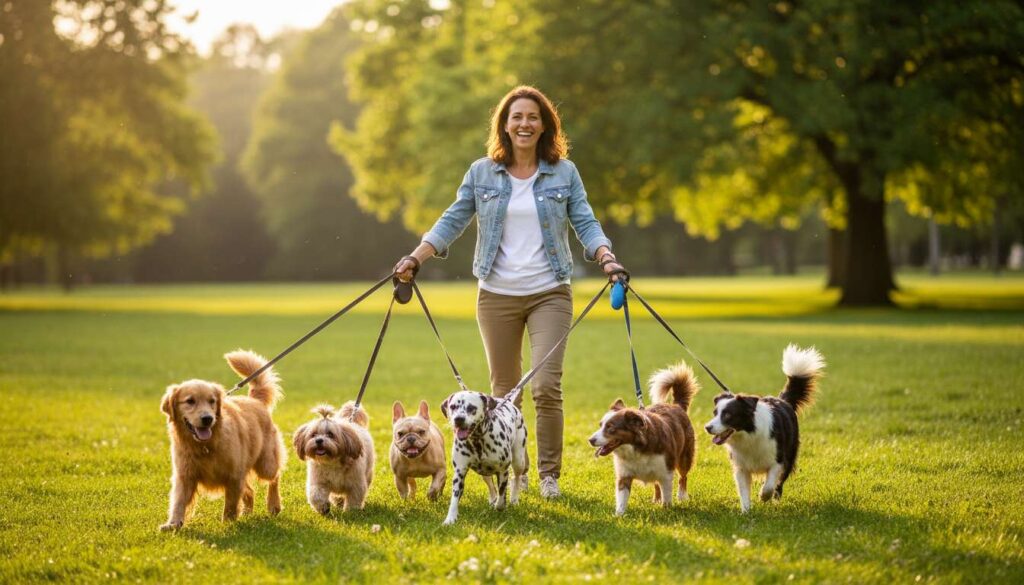
Selecting a canine companion represents a significant decision that extends beyond simple aesthetics or breed popularity. For women seeking a four-legged friend, considerations such as lifestyle compatibility, living arrangements, available time for care, and personal temperament preferences play crucial roles in establishing a successful relationship. Whether living alone, with family, or in shared accommodation, the right dog can provide companionship, security, and countless moments of joy. This guide explores five dog breeds particularly well-suited to women’s diverse lifestyles, examining their temperamental qualities, care requirements, and how they integrate into daily routines.
Choosing the ideal dog for a woman: criteria and importance
Lifestyle assessment and compatibility
Before selecting a breed, honest self-evaluation proves essential. Women with active lifestyles require energetic companions capable of accompanying them on runs or hikes, whilst those preferring quieter evenings benefit from calmer breeds. Living space significantly influences suitability: apartment dwellers typically favour smaller breeds, whereas those with gardens can accommodate larger dogs. Work schedules also matter considerably, as some breeds tolerate solitude better than others.
Temperament and personality matching
The dog’s temperament should complement the owner’s personality. Key characteristics to consider include:
- Energy levels and exercise requirements
- Sociability with strangers and other animals
- Trainability and intelligence
- Protective instincts versus friendliness
- Independence versus attachment needs
Practical considerations for women
Physical strength matters when handling dogs, particularly during walks or training sessions. Breeds with manageable size and strength often suit women better, though proper training can make larger breeds equally suitable. Additionally, grooming requirements, veterinary costs, and lifespan expectations warrant careful consideration before commitment.
Understanding these foundational criteria naturally leads to examining specific breeds that excel as companions for women, beginning with those known for their gentle and loving natures.
Calm and affectionate dogs: perfect companions
Cavalier King Charles Spaniel
This breed epitomises gentleness and devotion. Weighing between 5.5 and 8 kilograms, Cavaliers possess an innate desire to please their owners. Their affectionate temperament makes them ideal for women seeking constant companionship without overwhelming energy demands. These dogs adapt wonderfully to various living situations and remain content with moderate daily walks combined with plenty of cuddle time.
Golden Retriever
Renowned for their patient and friendly disposition, Golden Retrievers represent larger breed options for women with adequate space. Their intelligence facilitates training, whilst their gentle nature makes them excellent with children and other pets. Despite their size, they display remarkable sensitivity to their owner’s emotions, providing comfort during difficult times. Regular exercise remains necessary, but their calm indoor demeanour compensates for their outdoor enthusiasm.
Shih Tzu
Originally bred as companion dogs for Chinese royalty, Shih Tzus maintain their lap dog heritage with pride. Their affectionate personalities and minimal exercise requirements suit women with less active lifestyles. These dogs thrive on human interaction and demonstrate remarkable loyalty without excessive neediness. Their small stature makes them manageable for all physical capabilities.
Whilst these breeds offer calmness and affection, many women prefer even smaller companions that bring unique advantages to urban and compact living environments.
Small dogs: advantages and specificities
Yorkshire Terrier
Yorkshire Terriers combine bold personalities with diminutive frames. Weighing typically under 3 kilograms, they adapt perfectly to apartment living whilst maintaining spirited temperaments. Their portable size allows easy transportation, making them ideal travel companions. Despite their small stature, Yorkies possess protective instincts and alert their owners to unusual occurrences.
French Bulldog
French Bulldogs have surged in popularity amongst urban women due to their compact build and minimal exercise needs. Their muscular yet small frames rarely exceed 14 kilograms, providing substance without overwhelming size. These dogs exhibit playful personalities balanced with contentment during quiet moments. Their distinctive appearance and charming snorts add character to any household.
Benefits of small breeds
| Advantage | Practical Benefit |
|---|---|
| Lower food costs | Reduced monthly expenses |
| Space efficiency | Suitable for flats and small homes |
| Easier handling | Simplified grooming and veterinary visits |
| Travel flexibility | Permitted in more accommodation options |
Regardless of size preferences, all breeds demand specific care routines that prospective owners must understand and commit to providing consistently.
Care and maintenance needs of dogs for women
Grooming requirements
Different breeds demand varying grooming commitments. Long-haired breeds like Cavaliers and Shih Tzus require daily brushing to prevent matting, whilst short-haired breeds need less frequent attention. Professional grooming every six to eight weeks maintains coat health for many breeds. Regular nail trimming, ear cleaning, and dental care apply universally across all breeds.
Health monitoring and veterinary care
Responsible ownership includes preventative healthcare through annual veterinary check-ups, vaccinations, and parasite prevention. Women should budget for:
- Annual health examinations and boosters
- Flea, tick, and worming treatments
- Dental cleanings as recommended
- Emergency fund for unexpected illnesses
- Pet insurance consideration for financial security
Nutritional considerations
Quality nutrition forms the foundation of canine health. Small breeds often require calorie-dense foods in smaller portions, whilst larger breeds need carefully measured quantities to prevent obesity. Age-appropriate formulations ensure puppies, adults, and seniors receive proper nutritional support throughout their lives.
Beyond basic care, successful dog ownership depends heavily on how well the dog integrates into the owner’s established routines and lifestyle patterns.
Thriving in daily life: activities and compatibility
Exercise and mental stimulation
Each breed possesses unique activity requirements. Golden Retrievers thrive with hour-long walks and swimming opportunities, whilst French Bulldogs remain satisfied with shorter outings. Mental stimulation through puzzle toys, training sessions, and interactive play prevents boredom-related behavioural issues. Women working from home can incorporate brief play sessions throughout the day, strengthening bonds whilst meeting exercise needs.
Social integration
Well-socialised dogs enhance their owners’ social lives. Dog parks, training classes, and pet-friendly establishments provide opportunities for both canine and human interaction. Many women find that dog ownership expands their social circles through shared interests with fellow dog enthusiasts.
Work-life balance considerations
Professional commitments require realistic assessment of available time. Options for working women include:
- Midday dog walkers or pet sitters
- Doggy daycare facilities
- Remote work arrangements allowing home presence
- Choosing breeds tolerant of alone time
Successfully integrating a dog into daily routines sets the foundation, but proper education ensures long-term harmony between owner and pet.
Dog education: tips for harmonious cohabitation
Basic obedience training
Establishing fundamental commands creates structure and safety. Essential commands include sit, stay, come, down, and leave it. Positive reinforcement techniques using treats, praise, and play prove most effective. Consistency remains paramount, with all household members using identical commands and expectations.
Addressing common challenges
Women living alone particularly benefit from training dogs to remain calm when guests arrive and to avoid excessive barking. Crate training provides dogs with secure spaces whilst preventing destructive behaviour during absences. House training requires patience and regular schedules, typically achieving success within several weeks for most breeds.
Professional support options
Professional trainers offer invaluable assistance, especially for first-time dog owners. Group classes provide socialisation opportunities alongside instruction, whilst private sessions address specific behavioural concerns. Many trainers now offer virtual consultations, increasing accessibility for busy schedules.
The relationship between a woman and her dog flourishes through mutual understanding, consistent care, and shared experiences. These five breeds offer distinct advantages suited to various lifestyles, from the devoted Cavalier King Charles Spaniel to the spirited Yorkshire Terrier. Success hinges not solely on breed selection but on commitment to meeting physical, emotional, and educational needs throughout the dog’s life. Proper preparation, realistic expectations, and dedication to training establish foundations for years of companionship, loyalty, and unconditional love that enrich both human and canine lives immeasurably.