



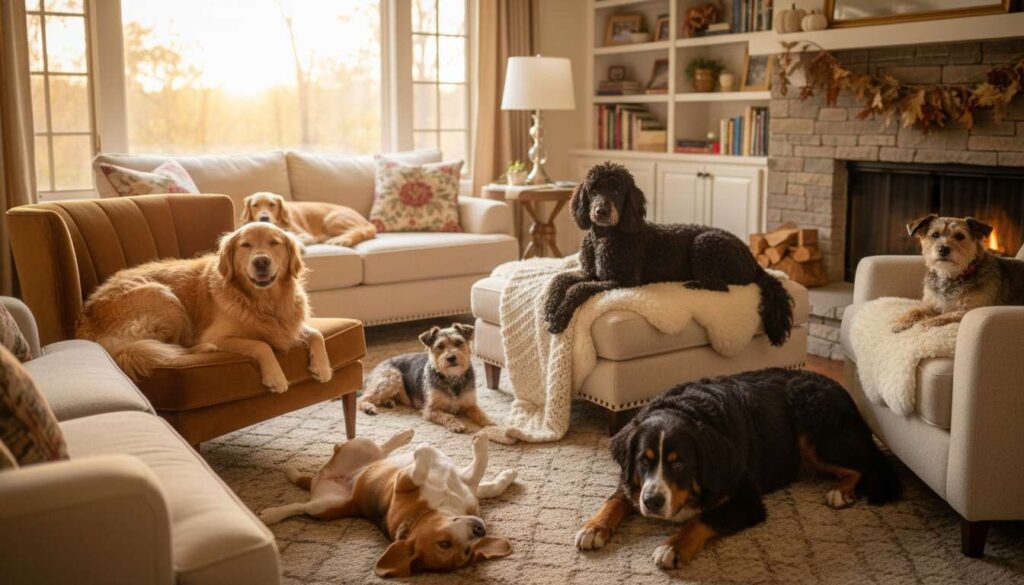
Dogs have long been celebrated as humanity’s most devoted companions, offering unconditional love and unwavering loyalty. Whilst every canine possesses unique qualities, certain breeds stand out for their exceptional temperament, gentle nature, and remarkable ability to bond with their human families. These dogs demonstrate extraordinary empathy, patience, and affection that make them ideal additions to households seeking a four-legged friend. Understanding which breeds naturally possess these golden-hearted characteristics can help prospective owners make informed decisions when welcoming a new member into their home. From playful puppies to dignified adults, these remarkable breeds consistently prove that their loving disposition is worth far more than any pedigree certificate.
Introduction to breeds with a heart of gold
What defines a golden-hearted breed
A dog with a heart of gold exhibits specific behavioural traits that distinguish them from other canines. These characteristics include an innate gentleness with children, patience in stressful situations, and an intuitive understanding of human emotions. Such breeds typically demonstrate minimal aggression, high trainability, and a genuine desire to please their owners. They adapt well to various living situations and show remarkable tolerance towards other pets and strangers alike.
The importance of temperament in adoption
When selecting a dog for adoption, temperament should rank amongst the highest priorities. A breed’s natural disposition significantly impacts the success of integration into family life. Consider these essential factors:
- Compatibility with household members, particularly children and elderly individuals
- Energy levels matching the family’s lifestyle and activity patterns
- Adaptability to living spaces, whether urban flats or rural properties
- Grooming requirements and associated time commitments
- Potential health concerns specific to the breed
Understanding these elements before adoption ensures a harmonious relationship between dog and owner. The breeds featured here have consistently demonstrated exceptional temperaments across generations, making them reliable choices for those seeking a loving companion.
Labrador Retriever: the loyal companion
Origins and historical purpose
The Labrador Retriever originated in Newfoundland, where they assisted fishermen by retrieving nets and catching fish that escaped from lines. This working heritage shaped their cooperative nature and eagerness to please. Their intelligence and trainability quickly made them favourites beyond fishing communities, establishing them as versatile working dogs and beloved family pets. Today, Labradors serve in numerous roles including guide dogs, search and rescue operations, and therapy work, demonstrating their remarkable adaptability and gentle temperament.
Temperament and family suitability
Labradors possess an exceptionally friendly disposition that makes them ideal for families with children. They exhibit patience rarely found in other breeds, tolerating the enthusiastic play of young children whilst maintaining a protective watchfulness. Their social nature extends to other pets, making multi-pet households harmonious environments. These dogs thrive on human interaction and form deep bonds with all family members rather than attaching to a single person.
| Characteristic | Rating (1-5) |
|---|---|
| Child-friendliness | 5 |
| Trainability | 5 |
| Energy level | 4 |
| Grooming needs | 2 |
Care requirements and considerations
Labradors require regular exercise to maintain physical and mental health. Daily walks, swimming sessions, and interactive play prevent boredom-related behaviours. Their short coat demands minimal grooming, though they shed seasonally. Weight management proves crucial as Labradors tend towards obesity, requiring monitored feeding and consistent activity. These considerations pale compared to the joy and companionship they provide.
The devotion shown by Labradors finds a worthy match in another retriever breed renowned for its affectionate nature.
Golden Retriever: the family’s faithful friend
The Golden Retriever’s gentle nature
Golden Retrievers embody kindness and patience in canine form. Their soft mouths, originally bred for retrieving game without damage, translate into gentle interactions with humans. These dogs display remarkable emotional intelligence, sensing when family members need comfort and responding with quiet companionship. Their intuitive understanding of human moods makes them exceptional therapy dogs, visiting hospitals and care homes where their presence brings measurable comfort.
Ideal family dynamics
This breed flourishes in active households where they receive ample attention and engagement. Golden Retrievers form strong attachments to children, often assuming a protective role whilst remaining playful companions. They excel in environments where they can participate in family activities, whether hiking, swimming, or simply lounging in the garden. Their tolerant nature means they rarely display aggression, even when provoked by unintentional rough handling from toddlers.
- Excellent with children of all ages
- Patient with other household pets
- Eager to participate in family activities
- Responsive to positive reinforcement training
- Naturally inclined towards retrieving games
Health and maintenance
Golden Retrievers require consistent grooming due to their long, flowing coats. Weekly brushing prevents matting and reduces shedding, whilst regular baths maintain coat health. Exercise needs remain substantial, with these dogs requiring at least an hour of activity daily. Hip dysplasia and certain cancers affect this breed more frequently than others, making regular veterinary check-ups essential. Despite these considerations, their loving disposition makes every effort worthwhile.
Whilst retrievers offer exuberance and energy, some families prefer a more compact companion with equally loving qualities.
Cavalier King Charles Spaniel: sweetness personified
Royal heritage and modern appeal
The Cavalier King Charles Spaniel enjoyed favour amongst British royalty for centuries, bred specifically as companion dogs rather than working animals. This heritage created a breed entirely focused on human companionship, with no hunting or guarding instincts to temper their affectionate nature. Their expressive eyes and gentle demeanour captivated nobility and continue to enchant modern families seeking a devoted, manageable-sized companion. These dogs possess an aristocratic elegance combined with surprising adaptability to various lifestyles.
Perfect for smaller spaces
Cavaliers adapt beautifully to flat living and urban environments where larger breeds might struggle. Their moderate exercise requirements mean short walks and indoor play sessions suffice, though they enthusiastically participate in longer activities when offered. This flexibility makes them ideal for elderly owners, individuals with limited mobility, or families living in compact spaces. Despite their small size, they possess robust personalities and genuine courage when protecting their loved ones.
| Living situation | Suitability |
|---|---|
| Flat/apartment | Excellent |
| House with garden | Excellent |
| Rural property | Good |
| Urban environment | Excellent |
Affectionate temperament
These spaniels crave human contact, often following their owners from room to room and seeking lap time whenever possible. Their separation anxiety can develop if left alone frequently, making them unsuitable for households where everyone works long hours away from home. However, for those able to provide consistent companionship, Cavaliers return this investment with unwavering devotion. They interact gently with children and show patience with other pets, rarely displaying territorial or aggressive behaviours.
Where Cavaliers offer delicate companionship, some families require a breed with both gentle nature and impressive physical presence.
Saint Bernard: the big-hearted guardian
Legendary rescue heritage
Saint Bernards earned their reputation through alpine rescue work, saving travellers lost in treacherous mountain passes. This history cultivated their protective instincts alongside remarkable gentleness, creating dogs that combine physical strength with emotional sensitivity. Their famous rescue missions demonstrated not only bravery but an innate understanding of human distress and the determination to provide assistance. Modern Saint Bernards retain these qualities, though they now serve primarily as family companions rather than working rescuers.
Gentle giants with children
Despite their imposing size, Saint Bernards display extraordinary patience with children. They tolerate climbing, pulling, and the general chaos young children create whilst maintaining a watchful, protective presence. Their calm demeanour means they rarely become overexcited or react unpredictably. These dogs seem to understand their size, moving carefully around small children and showing remarkable restraint during play. Their protective nature extends to all family members, making them excellent guardians without aggression.
Space and care requirements
Saint Bernards require substantial space due to their size, making them better suited to houses with gardens rather than flats. Their exercise needs prove surprisingly moderate, preferring leisurely walks to vigorous activity. Grooming demands vary depending on coat type, with long-haired varieties requiring more frequent brushing. Drooling represents a notable characteristic that potential owners must accept. Health concerns include hip dysplasia and bloat, requiring careful monitoring and preventative measures.
- Require spacious living arrangements
- Moderate exercise needs despite large size
- Regular grooming essential for coat maintenance
- Prone to certain health conditions requiring veterinary attention
- Shorter lifespan compared to smaller breeds
The protective instincts seen in Saint Bernards find elegant expression in another breed known for devotion and intelligence.
Collie: the benevolent protector
Intelligence and trainability
Collies rank amongst the most intelligent dog breeds, demonstrating exceptional problem-solving abilities and rapid learning. Their herding background created dogs that think independently whilst remaining responsive to human direction. This combination makes them highly trainable, excelling in obedience, agility, and various canine sports. Their eagerness to please means they respond well to positive reinforcement training methods, quickly mastering complex commands and tasks. This intelligence extends to understanding household routines and anticipating family needs.
Natural protectiveness without aggression
The Collie’s protective nature manifests as vigilant watchfulness rather than aggression. They alert families to unusual occurrences without excessive barking or threatening behaviour. Their herding instincts translate into gentle guidance of children, often positioning themselves between young family members and potential dangers. This protective quality combines with remarkable gentleness, creating dogs that safeguard without intimidating. They form strong bonds with all family members whilst maintaining independence, not requiring constant attention like some breeds.
Exercise and mental stimulation needs
Collies require both physical exercise and mental challenges to remain content. Daily walks alone prove insufficient; they need activities that engage their intelligent minds. Training sessions, puzzle toys, and interactive games prevent boredom-related behaviours. Their herding instinct may manifest in attempts to herd children, other pets, or even adults, requiring gentle correction and appropriate outlets. Families who provide adequate stimulation discover loyal, well-adjusted companions whose devotion knows no bounds.
| Activity type | Frequency recommended |
|---|---|
| Physical exercise | Daily, 60-90 minutes |
| Training sessions | Daily, 15-20 minutes |
| Mental stimulation | Daily, varied activities |
| Socialisation | Regular, ongoing |
Selecting a dog breed represents a significant decision that shapes family life for years. The five breeds explored here consistently demonstrate the temperament, loyalty, and affection that define truly golden-hearted companions. Labrador Retrievers offer boundless enthusiasm and unwavering devotion, whilst Golden Retrievers provide gentle companionship and emotional intelligence. Cavalier King Charles Spaniels bring royal charm to compact living spaces, and Saint Bernards combine impressive presence with remarkable gentleness. Collies round out this selection with intelligence and protective instincts balanced by benevolence. Each breed possesses unique characteristics, yet all share the capacity for deep bonds and unconditional love. Prospective owners should consider their lifestyle, living situation, and family dynamics when choosing amongst these exceptional breeds. Regardless of which golden-hearted breed joins your household, the rewards of their companionship far exceed any challenges their care might present. These dogs truly represent the best of canine nature, offering friendship, protection, and love that enriches human lives immeasurably.